



In the world of culinary delights,few dishes capture the delicate balance of artistry and flavor quite like sushi. Each bite-sized masterpiece is more than just a meal; it is a meticulously crafted expression of tradition, technique, and taste.From the gleam of fresh fish to the subtle tang of seasoned rice, the perfect sushi plate invites us on a sensory journey that honors both nature’s bounty and human creativity. Join us as we delve into the captivating art and nuanced flavors behind sushi, uncovering what transforms simple ingredients into a harmonious experience that delights both the eye and the palate.
Savoring the Art and Flavor of the Perfect Sushi Plate begins with a deep recognition for craftsmanship, precision, and the harmony of fresh ingredients. Sushi is more than just a dish; it’s a delicate balance of texture, flavor, and artistry that captivates both the palate and the eyes. Drawing from centuries-old traditions,crafting sushi is a sensory journey that transforms individual components into a sublime experience.
Prep and Cook Time
- Planning: 45 minutes
- Cooking: 20 minutes
- Total Time: 1 hour 5 minutes
Yield
Serves 4 sushi enthusiasts
Difficulty Level
Medium – suitable for home cooks ready to elevate their sushi skills
Ingredients
- 2 cups sushi rice (short-grain)
- 2 ½ cups water
- 1/3 cup rice vinegar
- 3 tbsp sugar
- 1 tsp sea salt
- 200g sashimi-grade tuna, thinly sliced
- 200g sashimi-grade salmon, thinly sliced
- 1 ripe avocado, sliced
- 1/2 cucumber, julienned
- 4 sheets nori (seaweed sheets)
- 2 tbsp toasted sesame seeds
- Wasabi paste, to taste
- Soy sauce, for dipping
- pickled ginger, for serving
Instructions
- Rinse the sushi rice under cold water until the water runs clear. This removes excess starch and ensures the rice cooks to a perfect sticky yet fluffy texture.
- Cook the rice: Combine rinsed rice and 2 ½ cups water in a saucepan. Bring to a boil, then reduce heat to low. Cover and simmer for 18 minutes. remove from heat and let it rest, covered, for 10 minutes.
- Prepare sushi vinegar: In a small saucepan, combine rice vinegar, sugar, and salt. heat gently and stir until sugar dissolves completely. Allow to cool.
- Season the rice: Transfer the cooked rice to a large wooden or non-metal bowl.Gently fold in the sushi vinegar mixture using a wooden spatula, fanning the rice as you stir to cool it quickly and give the rice its signature gloss and slightly sticky consistency.
- Prepare the ingredients: Slice tuna and salmon thinly with a sharp knife. Slice avocado and julienne cucumber for texture contrast.
- assemble the rolls: Place a bamboo sushi rolling mat on a clean surface and lay a nori sheet shiny side down. Spread a thin, even layer of sushi rice over the nori, leaving a 1-inch margin at the top edge.
- Add fillings: Arrange tuna, salmon, avocado, and cucumber in a horizontal line along the rice near the bottom edge of the nori sheet.
- Roll the sushi: Lift the bamboo mat edge nearest you and gently roll it over the fillings, pressing firmly but carefully to form a tight cylinder. Seal the edge with a little water.
- Slice and garnish: Using a very sharp, wet knife, cut the roll into 6-8 pieces. Sprinkle with toasted sesame seeds.
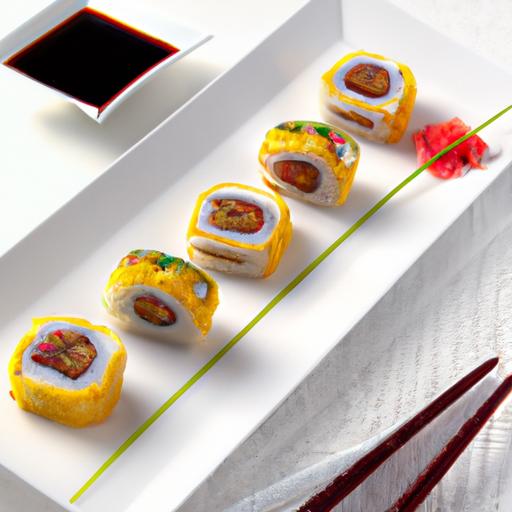
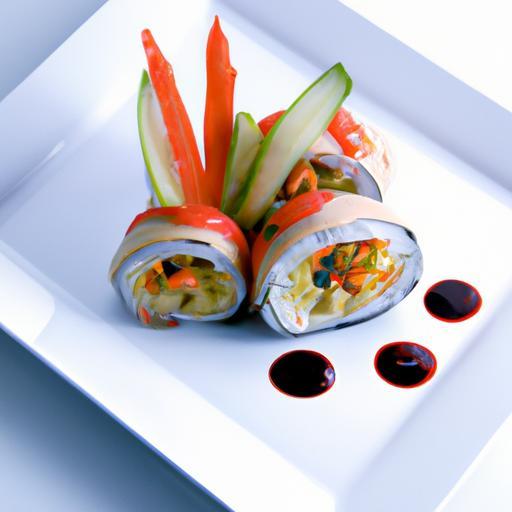
- Plate beautifully: Arrange the sushi pieces with pickled ginger, a dollop of wasabi, and serve with soy sauce on the side.
Tips for Success
- Use the freshest, highest-quality fish you can find-this ensures not only safety but also the authentic flavor profile that defines sushi excellence.
- Keep your knife wet and sharp when slicing sushi to avoid tearing the delicate fish and rice.
- Serve promptly after assembling sushi to maintain optimal texture and temperature; rice hardens as it cools.
- variations: Experiment with other fillings like yellowtail, eel, or cooked shrimp to personalize your sushi experience.
- Make-ahead: Prepare sushi rice and slice fillings in advance, but assemble rolls right before serving to keep freshness intact.
Savoring the Art of Sushi Presentation and pairing
Pair your sushi with complementary sides such as a light seaweed salad, edamame sprinkled with sea salt, or miso soup for a warm contrast. To elevate the dining experience further, opt for chilled sake or a crisp Japanese lager, which harmonize beautifully with sushi’s subtle umami. When plating, use simple ceramic dishes and garnish with finely sliced shiso leaves or edible flowers to add a vibrant and elegant touch.
| Nutrient | Per Serving |
|---|---|
| calories | 320 kcal |
| Protein | 22 g |
| Carbohydrates | 40 g |
| Fat | 8 g |

For a deeper understanding of sushi mastery, visit the Japan Guide’s sushi culture resource. Also, explore our comprehensive guide on sushi rice preparation, an essential base for perfect sushi creation.
Q&A
Q&A: Savoring the Art and Flavor of the Perfect Sushi Plate
Q1: What makes a sushi plate truly “perfect”?
A1: The perfect sushi plate is a harmonious blend of freshness, balance, and craftsmanship. It’s not just about the fish; it’s the delicate dance between vinegared rice, the texture of seaweed, and the subtle interplay of flavors-from the umami of soy sauce to the zing of wasabi and pickled ginger. Presentation also plays a role, inviting the eyes before the palate takes center stage.
Q2: How vital is the quality of ingredients in sushi?
A2: Ingredients are the soul of sushi. Top-tier sushi chefs seek the freshest fish,often sourced daily,and premium-grade rice,which is specially polished and seasoned. Each component-whether it’s the glistening slice of tuna or the crisp nori sheet-must be impeccable to build the layered flavors that define outstanding sushi.
Q3: Why is sushi rice considered the foundation of a grate sushi plate?
A3: Sushi rice, or “shari,” is more than just a vehicle for fish. It’s seasoned with a precise blend of vinegar, sugar, and salt, imparting a gentle tang that uplifts the seafood. Properly cooked and cooled rice has the perfect texture-sticky enough to hold together yet light enough to melt in your mouth-creating balance and harmony with the toppings.
Q4: What role does presentation play in enjoying sushi?
A4: Sushi is as much visual art as it is culinary delight. A thoughtfully arranged sushi plate tells a story-about the season, the chef’s style, and cultural reverence. Colors, shapes, and even the placement of garnishes invite anticipation and elevate the dining experience, making each bite a feast for both eyes and palate.
Q5: How can a novice sushi lover appreciate more subtle flavors in sushi?
A5: Start slow and savor each piece mindfully. Take small bites, notice the textures and contrasts-the buttery richness of toro, the crisp snap of cucumber inside a roll, or the brightness of a dab of fresh wasabi. pair sushi with light sips of green tea or sake, which cleanse the palate and reveal new layers of taste. Over time, your senses will tune into the delicate symphony of flavors woven into every perfect sushi plate.
Q6: Are there essential etiquette tips one should follow when eating sushi?
A6: yes! Traditionally, sushi can be eaten with fingers or chopsticks. If using fingers, dip just the fish side (not the rice) lightly into soy sauce to prevent overpowering the flavor or breaking the rice apart. Enjoy pickled ginger between pieces as a palate cleanser, not as a topping. and remember-each piece is crafted to be eaten in a single bite to appreciate the balance intended by the chef.
Q7: How does the seasonality of ingredients influence sushi?
A7: Seasonality breathes life into sushi plates. Different fish and seafood peak at specific times of year,bringing optimal flavor and texture. Chefs celebrate this natural rythm by curating menus that highlight the freshest catches of the season,resulting in sushi that feels vibrant,authentic,and deeply connected to nature’s cycles.
Q8: Can sushi be considered a form of edible art?
A8: Absolutely. Sushi transcends food-it’s a celebration of precision, tradition, and creativity. Every element, from the perfect cut of fish to the elegant garnishes, reflects a dedication to craft. It engages multiple senses simultaneously, making each sushi plate a mini masterpiece that embodies taste, technique, and aesthetic beauty.
To Conclude
As you conclude your journey through the delicate harmony of flavors and craftsmanship that define the perfect sushi plate, remember that each bite is more than just food-it’s a story told through texture, freshness, and tradition. Savoring sushi is an invitation to appreciate the meticulous artistry behind every grain of rice and slice of fish, a celebration of patience, respect, and balance. Whether you are a seasoned connoisseur or a curious newcomer,embracing the nuances of sushi opens a door to a culinary world where simplicity meets sophistication. So next time you lift a piece to your lips, take a moment to truly taste-not just the sushi itself, but the cultural tapestry woven into its creation. After all, the perfect sushi plate is a masterpiece meant to be experienced, one exquisite bite at a time.