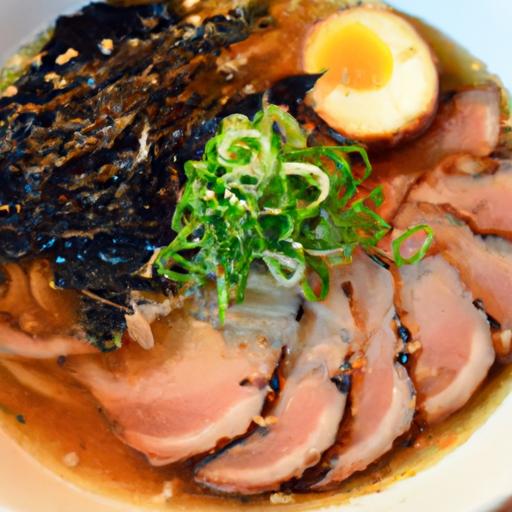



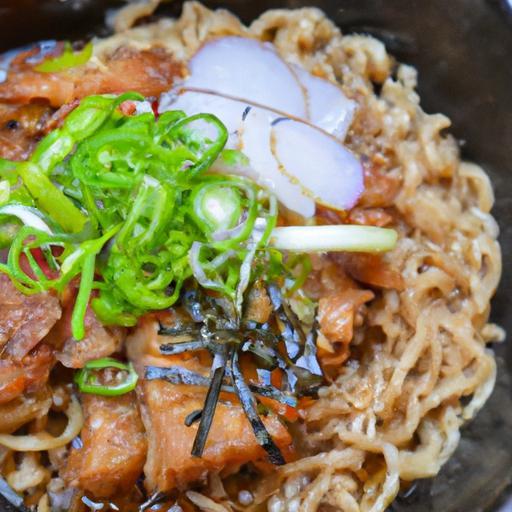
Ther’s a magical moment when a steaming bowl of ramen arrives at your table-the aromatic broth swirling with tendrils of tender noodles, punctuated by vibrant slices of pork, egg, and greens. but beyond this sensory delight lies a engaging world where culinary tradition meets scientific precision.Slurping Stories: The Science and Art of Ramen Noodles invites you on a journey through the rich history, cultural meaning, and molecular mastery behind one of Japan’s most iconic dishes.From the alchemy of broth-building to the perfect noodle texture that begs to be slurped, this article unravels the secrets that transform simple ingredients into a soul-soothing experience. Weather you’re a ramen devotee or a curious foodie, prepare to dive deep into the artistry and science that makes each bowl a story worth savoring.
Slurping Stories: the science and Art of Ramen Noodles
Slurping Stories: The Science and Art of Ramen Noodles begins with the heart of every memorable bowl – an aromatic broth that sings with layers of umami, balanced by noodles that dance between firm and silky-soft. Whether you are a home chef craving the authentic experience or a curious culinary explorer, this recipe guides you deep into the sensory magic of ramen, enlivening your kitchen with each simmer, stir, and slurp.
The Aromatic Symphony of Broth: Unlocking Flavors in Every Sip
the essence of ramen lies in its broth – a slow-brewed elixir bursting with complexity. This recipe uses a careful blend of pork bones, dashi, and kombu, harmonized with fragrant ginger and sharp garlic.The broth’s simmering time allows collagen and minerals to bloom, creating a rich mouthfeel that warms from the first sip. Achieving this balance is crucial for the authentic experience and sets the foundation of your homemade ramen journey.
Prep and Cook Time
- Preparation: 30 minutes
- Cooking: 4 hours (slow simmer for broth)
- Total: 4 hours 30 minutes
Yield
- serves 4 generous bowls
Difficulty Level
- Medium – requires some time and attention, but easily achievable by committed home chefs
Ingredients
- 2 lbs pork bones (neck or trotters), blanched
- 6 cups water
- 1 cup kombu (dried kelp)
- 1 cup dried shiitake mushrooms
- 1/2 cup soy sauce
- 1/4 cup mirin
- 4 garlic cloves, smashed
- 2-inch piece ginger, sliced
- 1 bunch scallions (white parts only)
- 12 oz fresh ramen noodles
- 2 soft-boiled eggs, halved
- 1 cup thinly sliced pork belly (chashu-style)
- 1 sheet nori (seaweed), cut into strips
- 1 tsp toasted sesame seeds
The Perfect Noodle Texture: Balancing Firmness and Softness
Noodles are the bridge between broth and bite.Fresh ramen noodles require precise timing: boiled just long enough to retain a slight bite – known as al dente in pasta terms – without becoming mushy. Rely on visual cues: they should be plump, slightly chewy, and springy. Drain instantly and briefly rinse with cool water to halt cooking while preserving that coveted texture. This step transforms your dish into a true feast of contrasts.
Step-by-Step Instructions
- Prepare the broth: Rinse pork bones under cold water, then blanch in boiling water for 5 minutes. Drain and rinse bones to remove impurities.
- Simmer the stock: In a large stockpot, add pork bones, water, garlic, ginger, and scallions.Bring to a boil, then reduce to a low simmer.Skim any foam to keep broth clear. Simmer uncovered for 4 hours, adding water if necessary.
- Add kombu and mushrooms: During the last 30 minutes, add the kombu and shiitake mushrooms. Remove kombu after 10 minutes to prevent bitterness.
- Season the broth: Strain broth through a fine sieve. Return broth to pot, stir in soy sauce and mirin.Keep warm on low heat.
- Cook the noodles: Bring a large pot of water to a rolling boil. Drop fresh ramen noodles in and cook for 90 seconds to 2 minutes. Stir gently to separate. Test for firmness.
- Assemble bowls: Divide noodles between four warmed bowls. Ladle hot broth over noodles, then top each with pork belly slices, halved eggs, nori strips, and sesame seeds.
- Final touch: Garnish with finely chopped scallions and a drizzle of chili oil if desired. Serve immediately to enjoy the vibrant broth and noodle texture at their peak.
Mastering the Art of Slurping: Cultural Insights and Health Benefits
Slurping is not just etiquette in ramen culture – it’s the secret to unlocking maximum flavor.By forcefully drawing noodles and broth together,air mixes with the savory liquid,intensifying aroma and taste.this open-mouthed technique also cools piping-hot broth, preventing burns while aiding digestion through increased saliva production. Embrace the slurp; it’s an invitation to relish every layer of your creation.
Tips for Success
- Broth clarity: Skimming foam frequently during simmering results in a clean, translucent broth that tastes as good as it looks.
- Noodle choice: If fresh noodles are unavailable, high-quality dried ramen or even egg noodles can work. Adjust cooking times accordingly.
- Miso or shio alternatives: customize your broth by substituting soy sauce with miso paste or salt to explore new flavor profiles.
- Advance Prep: Broth can be made 2-3 days ahead and refrigerated, allowing flavors to deepen over time.
- Egg perfection: To achieve the perfect soft-boiled egg, boil for exactly 6 minutes and cool quickly in an ice bath.
Crafting Your Own Ramen Experience: Essential Tips for Home Chefs
Create a ramen bar at home by preparing several broths and noodle options. Experiment with toppings like bok choy, bamboo shoots, or spicy kimchi to tailor each bowl. remember, the joy of ramen is in its personalization – a hands-on creation where art meets science on your plate. For a deeper understanding of Japanese noodle culture, check out the insightful resource at Japan National Tourism Institution.
Serving Suggestions
- Serve in wide, deep bowls to best appreciate aromas.
- Accompany with pickled ginger or fresh lime wedges for contrasting notes.
- Offer pairs of chopsticks and large porcelain spoons, encouraging the authentic slurping experience.
- Garnish bowls with thinly sliced scallions, fresh cilantro, or a sprinkle of toasted nori flakes.

| Nutrient | Per Serving |
|---|---|
| Calories | 620 kcal |
| Protein | 38 g |
| Carbohydrates | 56 g |
| fat | 22 g |
For further inspiration on homemade ramen techniques,explore our Ultimate Ramen Making Guide and enrich your culinary repertoire with expert insights.
Q&A
Q&A: Slurping Stories – the Science and Art of Ramen Noodles
Q1: Why do people slurp ramen noodles rather of just eating them quietly?
A1: Slurping isn’t just a quirky dining habit; it’s a flavorful performance! In Japan and other ramen-loving cultures, slurping aerates the noodles, cooling them down and amplifying the broth’s aroma as it hits your nose. Plus, the noise signals enjoyment to the chef-think of it as a savory applause!
Q2: What’s the science behind that perfect ramen broth?
A2: Ramen broth is a culinary symphony of umami molecules, fats, and savory compounds.Slow-simmered bones, seaweed, and dried fish release glutamates and nucleotides that trigger taste receptors on our tongues, creating that deep, mouth-watering savoriness. The soup’s temperature and salt balance also enhance the noodles’ flavor with every slurp.Q3: How does noodle texture affect the ramen experience?
A3: Texture is the tactile heartbeat of ramen! Chewy, springy noodles have a bite that contrasts beautifully with the silky broth. The al dente firmness ensures noodles don’t turn mushy, allowing each strand to dance on your palate and carry the broth’s flavors perfectly.
Q4: Can slurping be considered an art form?
A4: Absolutely! Slurping is the bridge between the noodle and the noodle-eater, an interactive act that celebrates both skill and pleasure. Masterful slurping requires timing,technique,and a bit of bravado. It turns eating into a multisensory ritual that honors the dish’s heritage and delights the senses.Q5: Are there regional differences in ramen preparation and slurping etiquette?
A5: Like poetry, ramen varies by region-each bowl tells a unique story. Tonkotsu ramen from Fukuoka boasts rich, milky pork broth with thinner noodles, while Sapporo’s miso ramen offers hearty, robust flavors with wavy noodles. Slurping etiquette also shifts; in some places, loud slurps are a compliment, while elsewhere a more modest sip is favored.
Q6: How do modern chefs innovate while respecting ramen’s traditions?
A6: Contemporary ramen artisans blend tradition with creativity, experimenting with broths infused with unexpected ingredients like truffle or coconut, or crafting noodles from option grains. Yet, they maintain the soul of ramen-balance, texture, and that satisfying slurp-ensuring the dish evolves without losing its story.
Q7: What’s the best way for a beginner to truly savor ramen?
A7: Embrace the slurp! Approach your bowl with curiosity: first, inhale the steam to awaken your senses, then lift those noodles with chopsticks and slurp loudly with gusto. Let the broth coat your tongue,enjoy the medley of toppings,and remember-ramen is meant to be an immersive,joyful experience!
Slurping may seem simple,but it’s a gateway to understanding ramen’s rich cultural tapestry and scientific marvel. So next time you tuck into a steaming bowl, don’t just eat-listen, breathe, and slurp your way into a story centuries in the making.
The Conclusion
As the last savory drops of broth disappear and the final noodles vanish from your bowl, you realize that eating ramen is more than just a meal-it’s a ritual steeped in science, culture, and a touch of artistry. From the perfect slurp that cools and aerates, to the carefully balanced interplay of flavors and textures, ramen invites us to slow down, savor, and celebrate the simple joy found in a humble bowl. So next time you pick up those chopsticks and lift your noodles, remember: you’re not just eating-you’re partaking in a centuries-old tradition that continues to warm hearts and inspire taste buds around the world.Slurp on, and let the story unfold.