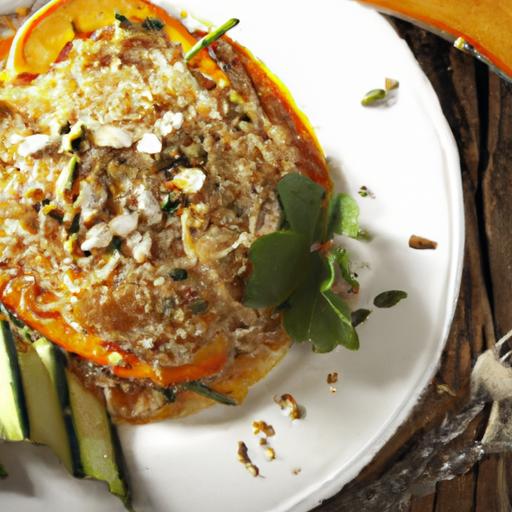


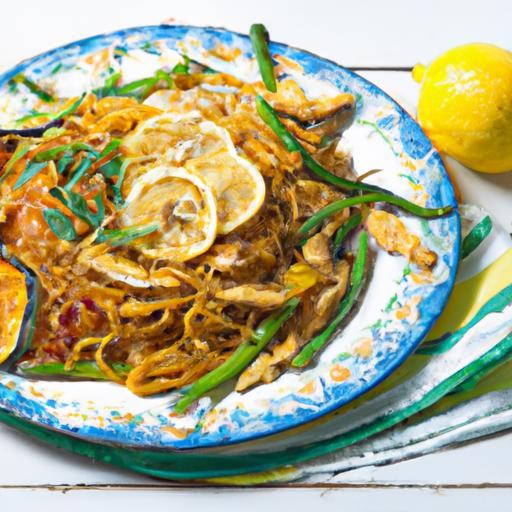
When it comes to beloved comfort foods, few dishes rival the vibrant flavors and satisfying textures of conventional Pad Thai. but what if you could enjoy this Southeast Asian favorite with a lighter, more nutrient-packed twist? Enter spaghetti squash Pad Thai-a clever culinary makeover that swaps out the usual rice noodles for strands of tender, naturally sweet squash. This fresh take not only cuts down on carbs but also adds a subtle earthy note, elevating the classic harmony of tangy tamarind, savory peanuts, and fresh herbs. Whether you’re craving a healthier alternative or simply eager to experiment in the kitchen, spaghetti squash Pad Thai offers a deliciously innovative way to savor all the flavor without the guilt.
Spaghetti Squash Pad Thai: A Light Twist on a Classic Dish
Spaghetti Squash Pad Thai brings a vibrant, healthful spin to the beloved Thai street food classic, marrying the delicate, naturally stringy texture of spaghetti squash with a sauce that perfectly balances sweet, tangy, and spicy flavors. This dish is a celebration of fresh ingredients and bold seasoning, capturing the essence of traditional Pad Thai while offering a lighter, gluten-free alternative that excites the palate and fuels the body.
Prep and Cook Time
Preparation: 15 minutes | Cooking: 45 minutes | Total: 60 minutes
Yield
Serves 4 generous portions
Difficulty Level
Easy to Medium – perfect for weeknight dinners or weekend culinary adventures
Ingredients
- 1 medium spaghetti squash (about 3 pounds), halved and seeded
- 2 tablespoons avocado oil or neutral cooking oil
- 2 cloves garlic, minced
- 1 large egg, lightly beaten
- 1 cup bean sprouts, rinsed and drained
- 1 medium carrot, julienned
- 3 green onions, sliced on a diagonal
- ¼ cup crushed roasted peanuts (plus extra for garnish)
- Fresh cilantro leaves for garnish
- Lime wedges, for serving
- Protein options (choose one or combine):
- 6 oz cooked shrimp
- 6 oz firm tofu, cubed and pan-fried
- 6 oz chicken breast, thinly sliced and sautéed
- For the flavorful Pad Thai sauce:
- 3 tablespoons tamarind paste
- 2 tablespoons fish sauce (substitute soy sauce for vegetarian)
- 2 tablespoons palm sugar or light brown sugar
- 1 tablespoon fresh lime juice
- 1 teaspoon chili garlic sauce (adjust for heat preference)
Instructions
- Roast the spaghetti squash: Preheat your oven to 400°F (200°C). Drizzle the cut sides of the spaghetti squash with 1 tablespoon of avocado oil and season lightly with salt. Place face-down on a baking sheet lined with parchment paper. Roast for 40-45 minutes until the flesh is tender and strands easily separate with a fork.
- Prepare the sauce: In a small bowl, whisk together tamarind paste, fish sauce, palm sugar, lime juice, and chili garlic sauce until smooth and vibrant. Set aside to allow flavors to meld.
- Scrape the squash strands: Once cooled enough to handle, use a fork to gently separate the spaghetti squash strands, creating noodle-like threads. Place in a large bowl and set aside.
- sauté aromatics and protein: Heat the remaining 1 tablespoon of avocado oil in a large skillet over medium heat. Add minced garlic and sauté until fragrant, about 30 seconds. Push garlic to the edge, pour in the beaten egg, and quickly scramble until just cooked through.
- Add your protein: Stir in pre-cooked shrimp, tofu, or chicken slices. Sauté together for 2-3 minutes until heated through and infused with garlic.
- Combine vegetables and noodles: Toss in the julienned carrots,bean sprouts,and half of the green onions. transfer the spaghetti squash strands to the skillet and stir gently but thoroughly.
- Incorporate the sauce: Pour the prepared sauce over the mixture, stirring consistently to coat all ingredients evenly.Cook for 2-3 minutes until the sauce slightly thickens and the strands absorb the flavors.
- Final touches: Remove from heat. Sprinkle crushed roasted peanuts and remaining green onions on top. Garnish with fresh cilantro and serve with lime wedges for a zesty finish.
Tips for Success
- Choosing your spaghetti squash: Look for a firm, heavy squash with a bright yellow skin free from blemishes or soft spots. size matters: medium squash offers the best strands for this dish.
- Enhancing texture: Avoid overcooking your squash to maintain a slight bite similar to rice noodles.
- vegetables variations: Swap carrots for thinly sliced bell peppers or snap peas for seasonality and crunch.
- Spice control: Adjust chili garlic sauce quantity or substitute with fresh red chilies for delicate heat balance.
- Make-ahead highlights: Sauce can be mixed up to 3 days ahead and stored refrigerated. Roasted squash strands store up to 2 days in an airtight container.
Serving Suggestions
Plate your Spaghetti Squash Pad Thai on a wide platter to showcase its colorful medley. Serve alongside crisp lime wedges and a small bowl of extra crushed peanuts for that satisfyingly crunchy bite. For a touch of authenticity, add thinly sliced red chilies or a sprig of fresh Thai basil. Pair it with a light jasmine rice or a cooling cucumber salad for a perfectly balanced meal.

Nutritional Facts
| Per Serving | Calories | Protein | Carbs | Fat |
|---|---|---|---|---|
| Pad Thai with Shrimp | 320 | 28g | 25g | 10g |
| Pad Thai with Tofu | 280 | 18g | 27g | 8g |
| Pad thai with Chicken | 350 | 32g | 24g | 11g |
Delve deeper into wholesome Thai-inspired meals by exploring our Healthy Thai Recipes collection or learn more about traditional tamarind paste benefits at Healthline.
Q&A
Q&A: Spaghetti Squash Pad Thai – A Light Twist on a Classic Dish
Q1: What exactly is Spaghetti Squash Pad Thai?
A1: Imagine the vibrant flavors of traditional Pad Thai, but swapped out for strands of tender, naturally noodle-like spaghetti squash. its a creative, low-carb reinterpretation of the beloved Thai street food that keeps the zest and tang without the heaviness of rice noodles.
Q2: Why use spaghetti squash instead of regular noodles?
A2: Spaghetti squash offers a delightful way to lighten up the dish. It’s lower in calories and carbs, packed with fiber, and brings a subtly sweet, nutty flavor that pairs beautifully with the savory, tangy sauce of Pad Thai. Plus, its stringy texture mimics noodles, adding a fun twist to your dining experience.
Q3: How is spaghetti squash prepared for this dish?
A3: The squash is roasted or microwaved until tender, then gently shredded into “noodle-like” strands using a fork. These strands act as a perfect canvas for the classic Pad Thai sauce and toppings, soaking up flavors while adding a satisfying bite.Q4: What ingredients give Spaghetti Squash Pad Thai its signature flavor?
A4: Key players include tamarind paste for tang, fish sauce for umami depth, palm sugar or brown sugar for sweetness, fresh lime juice for brightness, and crushed peanuts for crunch. Add scrambled eggs,tofu or shrimp,bean sprouts,scallions,and fresh herbs like cilantro to complete the ensemble.
Q5: Can this dish be made vegan or gluten-free?
A5: Absolutely! Replace fish sauce with tamari or coconut aminos for a vegetarian or vegan version. Using naturally gluten-free tamari keeps the dish gluten-free.The spaghetti squash base is already a grate gluten-free alternative, making this dish friendly for manny dietary preferences.
Q6: Is spaghetti Squash Pad Thai easy to make for beginners?
A6: Yes! While traditional Pad Thai can be a bit tricky, this version simplifies the process. Preparing the squash is straightforward, and the sauce comes together in minutes. It’s a fantastic way to impress your taste buds without spending hours in the kitchen.
Q7: What sides or garnishes complement Spaghetti Squash Pad Thai?
A7: Consider a crisp cucumber salad with chili flakes, fresh lime wedges, or a handful of chopped peanuts for extra texture. Fresh herbs like cilantro and mint add aromatic freshness, elevating each bite to a vibrant culinary experience.
Q8: Who should try Spaghetti Squash Pad Thai?
A8: Anyone who loves big, bold flavors but wants a lighter, nutrient-rich meal. It’s perfect for those watching their carb intake, veggie lovers craving something fun, or anyone looking to reinvent a classic dish with a healthy, creative spin.Q9: How does this dish fit into a balanced diet?
A9: Spaghetti Squash Pad Thai balances fiber-rich veggies with protein and healthy fats, providing sustained energy without the crash. it’s a colorful, nutrient-dense plate that satisfies cravings while staying light and wholesome.
Q10: Any tips for making the perfect Spaghetti Squash Pad Thai at home?
A10: Don’t overcook the squash-keep those “noodles” firm and slightly crisp. Toast your peanuts for added flavor, and adjust the sauce ingredients bit by bit to find your perfect balance of sweet, sour, and salty. Moast importantly, have fun experimenting with your favorite toppings!
The Conclusion
Embracing the vibrant flavors of Pad Thai while swapping noodles for spaghetti squash invites a fresh, light twist that doesn’t skimp on satisfaction. This dish masterfully balances tradition with innovation, proving that healthy eating can be both exciting and appetizing. Whether you’re seeking a gluten-free alternative or simply craving a vegetable-forward meal, spaghetti squash Pad Thai transforms a beloved classic into a colorful celebration of wholesome ingredients. Give it a try, and let your taste buds embark on a flavorful journey that honors the original while ushering in a new, lighter chapter at your dinner table.