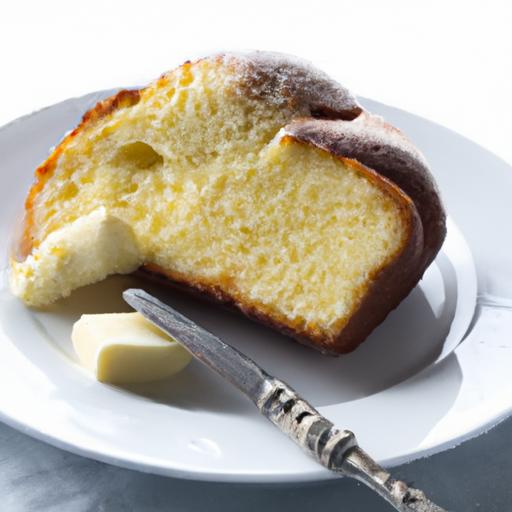


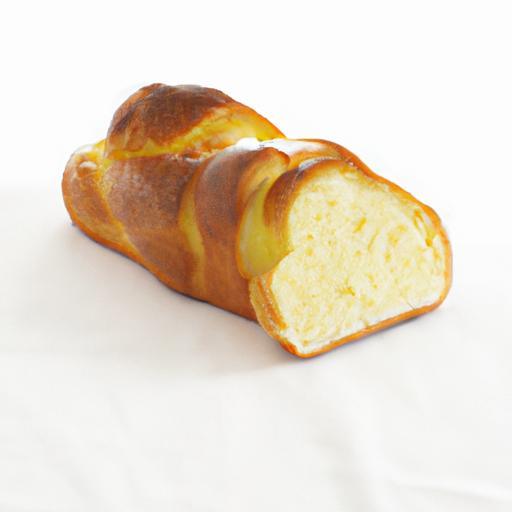
There’s something irresistibly enchanting about brioche-a bread that feels less like a humble staple and more like a delicate buttery masterpiece.With its golden crust and pillowy, tender crumb, brioche effortlessly bridges the world of sweet and savory, inviting you to experience bread in its most luxurious form. But what truly sets this French classic apart is the artful balance of rich butter and eggs, which transform simple ingredients into a soft, melt-in-your-mouth delight. In this exploration of “The Art of Buttery Brioche,” we’ll delve into the history, technique, and secrets behind crafting this sumptuous bread, unlocking the magic that turns dough into an indulgent feast for the senses. Whether you’re a seasoned baker or a curious bread lover, prepare to discover how patience, precision, and a touch of culinary flair create a soft, rich bread that’s truly unforgettable.
Mastering the dough texture is essential when crafting the perfect brioche, a bread renowned for its decadently soft crumb and buttery richness. The secret behind an exceptionally soft brioche lies in selecting the finest ingredients, incorporating butter flawlessly, and applying precise baking techniques that yield a golden crust and tender crumb. As you embark on this delightful baking journey, prepare to transform humble ingredients into a loaf that epitomizes luxury and comfort.
Prep and Cook Time
- Preparation: 30 minutes
- Rising Time: 2 to 3 hours
- Baking: 25 to 30 minutes
- Total Time: Approximately 4 hours
Yield
1 large brioche loaf or 12 buttery brioche rolls
Difficulty Level
Medium – Advanced (requires patience and technique but highly rewarding)
Ingredients
- 4 cups all-purpose flour, sifted
- 1/3 cup granulated sugar
- 2 1/4 tsp active dry yeast (1 packet)
- 1 tsp fine sea salt
- 4 large eggs, at room temperature
- 1/2 cup whole milk, warmed (about 110°F / 43°C)
- 1 cup unsalted butter, cold and cubed
- 1 tsp pure vanilla extract
- 1 tbsp honey (optional, for enhanced browning)
- 1 egg yolk + 1 tbsp milk (for egg wash)
Instructions
- Activate the yeast: In a small bowl, mix the warm milk and honey with active dry yeast. Let it sit for 5-10 minutes until it becomes frothy, indicating the yeast is alive and ready.
- Combine dry ingredients: In a large mixing bowl or stand mixer fitted with a dough hook, whisk together the sifted flour, sugar, and salt. Create a well in the center.
- mingle the eggs and vanilla: Lightly beat the eggs with vanilla extract and add them slowly to the flour mixture, along with the activated yeast mixture. Mix on low speed until a rough dough forms.
- knead the dough: Continue kneading for 5-7 minutes until the dough is smooth but still slightly sticky. The dough should be elastic and tear slightly when stretched.
- Incorporate the butter: Gradually add the cold, cubed butter one piece at a time while kneading at medium speed. This step requires patience-ensure each piece is fully incorporated before adding the next. The dough will look shiny and feel incredibly soft once complete (about 10-15 minutes).
- First rise: Transfer the dough into a lightly greased bowl, cover with plastic wrap, and let it rise at room temperature until doubled in size (about 1.5 to 2 hours).
- Chill for lamination (optional but recommended): Punch down the dough gently,wrap tightly,and refrigerate for 1 hour. this resting period firms the butter and improves dough handling for a layered, buttery texture.
- Shape the dough: On a lightly floured surface, shape the dough into a tight ball or divide into rolls. Place into a buttered loaf pan or muffin tin.
- Second rise: Cover and proof again until the dough nearly doubles (about 45 minutes to 1 hour).
- Prepare egg wash: Whisk egg yolk with milk and brush gently over the top of the dough for a glossy, golden finish.
- Bake: Preheat oven to 350°F (175°C). Bake the brioche for 25-30 minutes, rotating halfway, until the crust is a deep golden brown and the loaf sounds hollow when tapped.
- Cool: Remove from oven and cool on a wire rack before slicing to preserve its tender crumb texture.
Tips for Mastering the Dough Texture & Flavor
- Choose premium unsalted butter-the higher the fat content, the richer the flavor and softer the crumb.
- Use room temperature eggs so they blend evenly, creating a silky dough.
- Keep the butter cold when incorporating to create a laminated texture reminiscent of croissants; this adds subtle layers of flakiness and softness.
- Patience during kneading is key: the dough should become smooth and elastic before the butter is fully incorporated.
- Properly proof your dough in a warm, draft-free habitat to ensure optimal rise and airiness.
- Don’t rush cooling: slicing too early compresses the air pockets, compromising softness.
Serving Suggestions
Enjoy warm slices of brioche spread with soft European butter and artisanal fruit preserves for breakfast or brunch.For an indulgent treat, toast thin slices and top with creamy mascarpone and a drizzle of honey. Brioche also beautifully complements savory toppings like smoked salmon and crème fraîche or can be transformed into a decadent French toast with a dusting of powdered sugar and fresh berries.

| Nutrient | Per Serving (1 slice) |
|---|---|
| Calories | 220 kcal |
| Protein | 6 g |
| Carbohydrates | 24 g |
| Fat | 11 g |
For more detailed tips on yeast bread fermentation, check out our Guide to Yeast Baking. To deepen your understanding of butter varieties and their baking impact, visit The Butter Institute.
Q&A
Q&A: the Art of Buttery Brioche – A Soft,rich Bread Delight
Q1: What exactly is brioche,and what makes it so special?
A1: Brioche is a quintessentially French bread known for its tender crumb,golden crust,and irresistibly buttery richness. Unlike regular bread, brioche incorporates a generous amount of butter and eggs, creating a luxuriously soft texture that melts in your mouth. it’s the perfect marriage of bread and pastry-both hearty and indulgent.Q2: Why is brioche considered an art rather than just a baking recipe?
A2: Crafting the perfect brioche is a delicate dance requiring patience, precision, and a love for detail.The dough is notoriously sticky and slow to rise, demanding careful kneading and proofing to develop its signature lightness and layered crumb. It’s an art because every step-from mixing to shaping-affects the final buttery harmony. mastery comes with practice and intuition.
Q3: What role dose butter play in brioche?
A3: Butter is the soul of brioche. It enriches the dough, lending softness, flavor, and that sublime golden sheen on the crust. But it’s not just about quantity; the technique of incorporating cold butter gradually ensures the dough remains structured yet tender. Butter also contributes to brioche’s slightly sweet, creamy character that sets it apart from standard breads.Q4: How does brioche dough differ from regular bread dough?
A4: Brioche dough is akin to a luxurious velvet compared to the coarse weave of typical bread dough. The high egg and butter content create a richer, heavier dough that’s more delicate to work with. Unlike lean bread doughs which rise quickly, brioche needs longer, slower fermentation to develop flavor and crumb structure without collapsing under its own richness.
Q5: Can brioche be used beyond breakfast and pastries?
A5: Absolutely! Brioche’s versatility is one of its most delightful features. Beyond the classic buttery toasts and morning pastries, it shines as a base for gourmet sandwiches, burgers, and even savory bread puddings. Its slight sweetness balances beautifully with hearty fillings, making it a canvas for culinary creativity.
Q6: Any tips for amateurs attempting their first brioche?
A6: Start with high-quality ingredients-real butter, fresh eggs, and a good bread flour. Be patient: brioche dough needs time to rest and rise, sometimes multiple times. Don’t rush the kneading; a stand mixer can be a baker’s best friend here. Keep your kitchen warm-brioche prefers cozy environments.And embrace imperfection; even imperfect loaves hold buttery bliss!
Q7: How should brioche be stored to preserve its softness?
A7: To keep brioche fresh and tender, wrap it tightly in plastic wrap or place it in an airtight container at room temperature. Avoid refrigeration-it dries out the bread quickly. If you need to keep it longer, freezing is your friend: slice first, freeze in a sealed bag, and toast slices straight from the freezer for a near-fresh experience.
Delving into brioche baking is truly a journey into the heart of buttery delight, where science meets soulful craftsmanship. With every soft, golden bite, you savor a centuries-old tradition perfected through patience and passion.
The Way Forward
In the world of breads, few creations capture the delicate balance of indulgence and craftsmanship quite like buttery brioche. This soft, golden loaf is more than just a treat-it’s a testament to the artful patience and love baked into every fold of its tender crumb. Whether enjoyed fresh from the oven or transformed into decadent French toast, brioche invites us to slow down, savor richness, and appreciate the timeless joy of baking. So next time you pull a warm, buttery slice apart, remember: you’re tasting centuries of tradition, skill, and a little bit of magic all rolled into one.