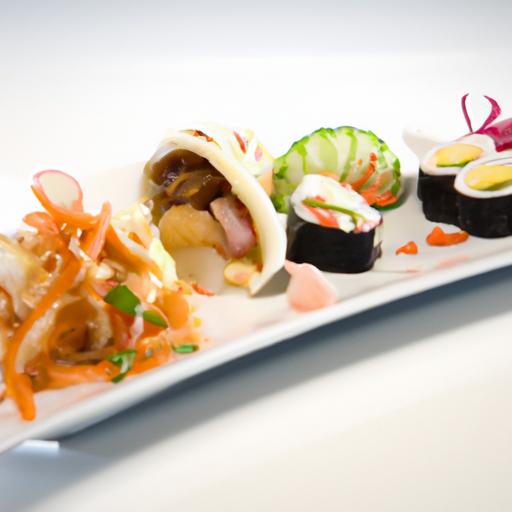


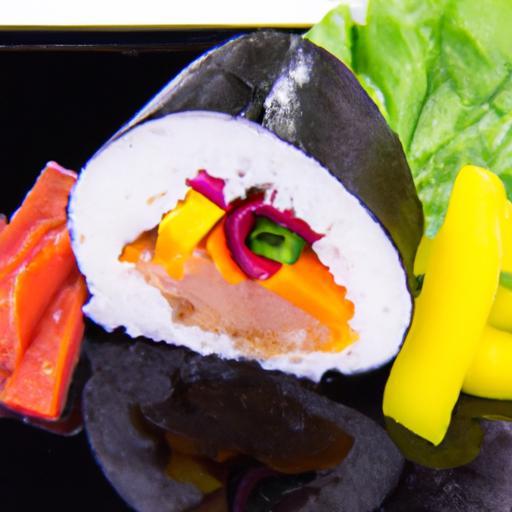
In the delicate world of Japanese cuisine, sushi is far more then just a meal-it is a vibrant art form where flavor meets aesthetics in perfect harmony. “The Art of the Sushi Plate: A Delicious Visual Journey” invites you to explore how skilled chefs transform simple ingredients into stunning edible masterpieces. From the meticulous placement of each slice of fresh fish to the subtle contrast of colors and textures, sushi plates tell stories that tantalize both the eyes and the palate. Join us as we uncover the secrets behind these culinary canvases and discover why every sushi plate is a feast for the senses.
The Art of the Sushi Plate: A Delicious Visual Journey begins with understanding how to harmonize color, texture, and flavor to create a truly unforgettable eating experience. This culinary masterpiece is more than just food-it is an expression of balance and beauty, where each component plays a vital role in delighting both the eyes and the palate. Perfecting the sushi plate means carefully selecting vibrant ingredients, mastering presentation techniques, and pairing complementary sauces and garnishes to heighten the sensory feast.
Prep and cook Time
Preparation: 40 minutes | Cook: 15 minutes | Total: 55 minutes
Yield
Serves 4 elegantly plated sushi lovers
Difficulty level
Medium – Ideal for those with some sushi experience eager to elevate their plating and flavor harmony
Ingredients
- 2 cups sushi rice, rinsed and drained
- 2 1/2 cups water for cooking rice
- 1/3 cup rice vinegar
- 3 tablespoons sugar
- 1 teaspoon salt
- 200g fresh sashimi-grade salmon, thinly sliced
- 200g fresh sashimi-grade tuna, thinly sliced
- 100g cooked shrimp, peeled and butterflied
- 1 small avocado, sliced
- 1 cucumber, julienned
- Fresh shiso leaves or microgreens for garnish
- Pickled ginger (gari), for serving
- Wasabi paste, to taste
- Soy sauce, preferably low sodium
- Black sesame seeds, for texture and visual contrast
- Spicy mayo: 3 tablespoons Japanese mayo + 1 teaspoon sriracha
- Unagi sauce (eel sauce), optional for drizzling
Instructions
- Cook the sushi rice: Combine the rinsed sushi rice and water in a rice cooker or pot. Bring to a boil, then lower heat to simmer, covered, for 12-15 minutes untill water absorbs.Remove from heat and let steam for 10 minutes.
- Prepare sushi vinegar: In a small saucepan over low heat, dissolve sugar and salt into rice vinegar. Let cool.
- Season the rice: Transfer warm cooked rice to a wooden or plastic bowl. Gently fold in the sushi vinegar mixture with a wooden paddle, fanning the rice for a glossy finish. Allow to cool to room temperature.
- slice your proteins and vegetables: Using a sharp knife, cut salmon, tuna, and shrimp into thin, uniform slices. Julienne cucumber and slice avocado just before plating to prevent browning.
- Form sushi rice bases: Wet hands lightly with water to prevent sticking.Shape rice into small oblong mounds for nigiri or compact circles if desired.
- Assemble the plate artistically: Arrange nigiri pieces alternating salmon, tuna, and shrimp, leaving space. Place avocado slices and cucumber julienne in a balanced cluster off to the side.
- add visual contrast: Sprinkle black sesame seeds lightly over the rice and avocado for texture and eye-catching detail.
- Drizzle sauces thoughtfully: Spoon small dots or thin lines of spicy mayo and unagi sauce around the plate or on specific nigiri for flavor bursts and elegant presentation.
- Garnish with finesse: Add shiso leaves or microgreens, along with pickled ginger and a small dollop of wasabi on the side, inviting the diner to customize each bite.
- Serve instantly: Present the sushi plate with soy sauce on the side. Encourage guests to savor the balance of silky textures, fresh flavors, and vibrant colors.
Tips for Success
- Use the freshest sashimi-grade fish available to ensure safety and peak flavor.
- If pressed for time, pre-packaged sushi rice seasoning can substitute rice vinegar seasoning, though fresh is superior.
- Keep your knife razor-sharp to make clean, smooth cuts which improve the sushi’s texture and appearance.
- chill fish slightly before slicing to get better, thinner slices that hold shape well.
- Experiment with edible flowers like nasturtium or pansies for unexpected jewel-like bursts of color.
- Make sushi rice a day ahead and store tightly covered; gently reheat by steaming to preserve texture.
Serving Suggestions
Elevate your sushi dining by plating on a large,matte black or natural wood platter for dramatic contrast against the vivid fish and luminous garnishes. Arrange elements with intentional negative space to create a sense of calm balance. Use small porcelain dishes for soy sauce to keep the plate uncluttered. Pair with chilled sake or a light green tea to cleanse the palate and enhance the flavor journey. Accompany your plate with a bamboo mat for guests wishing to create sushi rolls themselves,making the experience interactive and fun.
| Nutrient | per Serving | % Daily Value* |
|---|---|---|
| Calories | 320 kcal | 16% |
| Protein | 25 g | 50% |
| Carbohydrates | 38 g | 13% |
| Fat | 6 g | 9% |
Learn more about perfect sushi rice from Serious Eats
Explore our beginner’s guide to sushi rolls

Q&A
Q&A: the Art of the Sushi Plate – A Delicious Visual Journey
Q1: What makes sushi more than just food-it makes it an art form?
A1: Sushi transcends mere nourishment because it harmonizes flavor, texture, and visual beauty into a single experience. Each piece is carefully crafted to balance color, shape, and composition, turning the plate into a canvas.The artistry lies not only in taste but in the seamless blend of tradition, precision, and creative presentation.Q2: How do sushi chefs think like artists when creating their plates?
A2: Sushi chefs approach their craft like painters or sculptors. They consider every ingredient’s hue,size,and placement,arranging pieces to evoke rhythm,contrast,and harmony-much like a well-composed painting. precision knife skills carve delicate lines, while thoughtful garnishes add finishing brushstrokes that complete the visual story.Q3: What role does color play in the design of a sushi plate?
A3: Color is essential-it’s the visual melody that entices the senses before the frist bite. The vibrant reds of tuna, the translucent whites of scallops, the deep greens of seaweed, and the bright pops of wasabi or pickled ginger create a lively palette. Chefs choreograph these colors to highlight freshness and balance warm and cool tones, ultimately making the plate visually inviting and appetizing.
Q4: Can plating style differ by region or tradition?
A4: Absolutely. Regional variations shape plating aesthetics, reflecting cultural nuances and ingredient availability. For example, Edomae-style sushi from Tokyo prioritizes simplicity and elegance, frequently enough featuring minimal garnishes to spotlight the fish itself. In contrast, Osaka’s sushi can be more playful and decorative, incorporating vibrant sauces and creative shapes, all while honoring the essence of the dish.
Q5: How do texture and form contribute to the visual and tasting experience?
A5: Texture adds layers to both look and palate. The glossy sheen of expertly sliced fish,the slight grain of vinegared rice,or the crispness of a seaweed wrap provide tactile contrasts that intrigue the eye and satisfy the mouth. Form-whether a perfect nigiri mound or a delicate roll cut into bite-sized discs-creates rhythm and flow on the plate, inviting diners into a multisensory journey.
Q6: Why is the balance of simplicity and complexity vital in sushi plating?
A6: The magic of sushi ofen lies in its refined simplicity, allowing premium ingredients to shine. Yet, subtle complexities-like a whisper of yuzu zest or a delicate brush of soy glaze-elevate the experience. Triumphant plating strikes a balance,combining minimalist elegance with thoughtful details that engage both the eye and the palate without overwhelming them.
Q7: How can someone at home emulate the art of the sushi plate?
A7: Start by focusing on fresh ingredients and sharp knives-precision matters. Think like a visual artist: arrange colors and shapes with intention, leave some negative space to let each element breathe, and resist the urge to overcrowd the plate.Garnish sparingly with edible flowers, slivers of pickled ginger, or thinly sliced scallions to add pops of color and texture. Remember-it’s as much about the feeling and care in presentation as the taste.
Q8: What does the future hold for sushi plating as an art form?
A8: As culinary innovation and global influences continue to intertwine, sushi plating will evolve while revering tradition. Chefs are experimenting with new ingredients, lasting fish options, and interactive plating techniques-sometimes incorporating edible art, illumination, or unexpected textures. The sushi plate remains a living masterpiece, inviting diners on ever-refreshing visual and flavorful journeys.
To Wrap It Up
As we conclude this vibrant exploration of sushi plating, it’s clear that the art goes far beyond mere arrangement-it’s a harmonious blend of tradition, aesthetics, and flavor that turns a simple meal into a feast for the eyes and palate alike. Each carefully placed slice, color contrast, and delicate garnish tells a story steeped in culture and craftsmanship. So next time you find yourself savoring sushi, take a moment to appreciate the visual poetry on your plate-because in the world of sushi, beauty truly is part of the flavor.