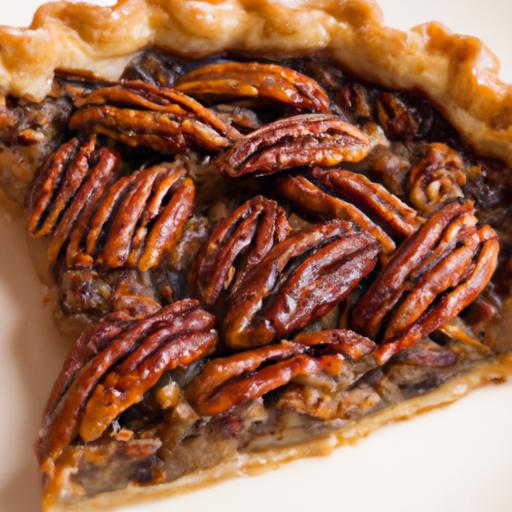

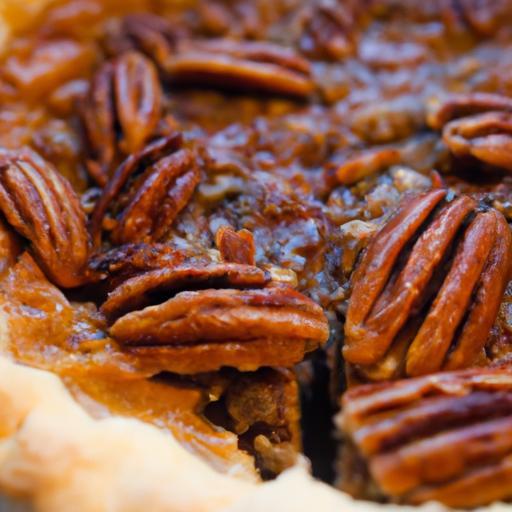
There’s something irresistibly magnetic about pecan pie-the glossy, caramelized top, the buttery, flaky crust, and that rich, nutty filling that melts decadently on the tongue. But beyond its status as a beloved Southern classic or a holiday staple lies a fascinating ballet of chemistry and craftsmanship. “The Sweet Science Behind Perfectly Decadent Pecan Pie” dives into the alchemy of ingredients and the precise techniques that transform simple pantry staples into a luscious masterpiece. Join us as we unravel the secrets that make pecan pie not just a dessert, but a symphony of textures and flavors perfected by both tradition and scientific insight.
Understanding the chemistry behind caramelization in pecan pie unlocks the secrets to a filling that’s rich, glossy, and deeply satisfying. When sugar heats, it undergoes a complex conversion, breaking down into golden hues and nutty aroma compounds that harmonize beautifully with the buttery pecans. This process enhances the pie’s flavor, creating layers of depth and warmth that are impossible to resist.
Prep and Cook Time
- Prep Time: 30 minutes
- Cook Time: 50 minutes
- Total Time: 1 hour 20 minutes
Yield
Serves 8 generously
Difficulty Level
Medium – requires attention to detail but perfect for confident home bakers
Ingredients
- 1 ¼ cups all-purpose flour,sifted
- ½ teaspoon fine sea salt
- 10 tablespoons unsalted butter,chilled and cubed
- 2-3 tablespoons ice water
- 1 cup light corn syrup
- ¾ cup packed light brown sugar
- 3 large eggs,beaten
- 3 tablespoons unsalted butter,melted
- 1 ½ teaspoons pure vanilla extract
- 1 ½ cups pecan halves
- Pinch of salt
Instructions
- Make the crust: Combine all-purpose flour and salt in a large bowl. Add chilled butter cubes and work with your fingertips or a pastry cutter until the mixture resembles coarse crumbs.
- Add ice water one tablespoon at a time, mixing gently until dough just holds together. Avoid overworking to keep the crust flaky.
- Form the dough into a disk, wrap in plastic, and chill for at least 30 minutes.
- Preheat oven to 350°F (175°C). Roll out the chilled dough on a floured surface to a 12-inch circle.Transfer to a 9-inch pie pan and crimp edges decoratively.
- Prepare the filling: In a medium bowl, whisk together light corn syrup, brown sugar, beaten eggs, melted butter, vanilla extract, and a pinch of salt until smooth and glossy.
- Arrange pecan halves evenly over the crust, creating a dense, visually appealing layer.
- Slowly pour the filling mixture over the pecans, allowing it to seep evenly into spaces without disturbing the layout.
- Bake in preheated oven for 50-55 minutes, or until the filling is set but still slightly wobbly in the center. The crust should be golden and flaky, and pecans toasted to a deep amber shade.
- cool fully on a wire rack to allow caramelization to finish and the filling to firm up, yielding that signature luscious texture.
Chef’s Notes
- For maximum flakiness, keep the butter cold and handle the dough as little as possible.
- The ideal filling ratio balances corn syrup with brown sugar – too much syrup creates an overly sweet, jelly-like interior, while extra sugar promotes deeper caramel notes and texture.
- to achieve the perfect toasted pecans, place them on a baking sheet and toast at 350°F for 5-7 minutes before assembling. This step amplifies thier natural oils and crunch.
- Make-ahead tip: Bake the crust blind (with pie weights) for 10 minutes before adding filling to prevent sogginess.
- If the filling appears too runny after baking, extend the cooking time by 5 minutes and check again.
Serving Suggestions
Slice this pie slightly warm or at room temperature; serve with a dollop of freshly whipped cream or a scoop of vanilla bean ice cream for a decadent contrast.Garnish each slice with finely chopped toasted pecans and a light dusting of powdered sugar to accentuate the glossy caramelization.
| Nutrient | Amount per Serving |
|---|---|
| Calories | 430 kcal |
| Protein | 5 g |
| Carbohydrates | 52 g |
| Fat | 23 g |

To delve deeper into baking techniques that elevate your pies, visit our Ultimate Guide to Pie Baking. For scientific insights into caramelization, the Science of Cooking caramelization page offers excellent resources.
Q&A
Q&A: The Sweet Science Behind Perfectly Decadent Pecan Pie
Q1: what makes pecan pie so irresistibly decadent?
A1: Pecan pie’s decadence lies in its harmonious marriage of textures and flavors-a buttery, flaky crust cradles a rich, gooey filling where toasted pecans float atop a luscious caramel-like custard. The interplay between the crunchy nuts and the silky, sweet base creates a sensory symphony that feels both indulgent and comforting.
Q2: How does the filling achieve that perfect gooey consistency?
A2: The secret is in the chemistry of sugar and eggs.Corn syrup or maple syrup provides the sticky sweetness, while eggs act as thickeners when gently baked, transforming the liquid mixture into a custard that’s firm yet melt-in-your-mouth. The careful balance between sugar, syrup, and egg ensures the filling sets without turning rubbery or too runny.
Q3: Why are pecans essential, and how do they influence the flavor?
A3: Pecans bring a toasty, buttery richness and a delightful crunch that complement the sugary filling. When toasted beforehand, their natural oils and nutty aromas intensify, adding depth and complexity. This nuttiness contrasts with the sweet custard,preventing the pie from becoming cloyingly sugary.
Q4: What role does the crust play in the overall experience of pecan pie?
A4: The crust is the unsung hero-it provides structure,texture,and a subtle buttery flavor. A well-made crust is tender but sturdy enough to hold the heavy filling. Its flaky layers add a delightful contrast to the smooth custard and crunchy nuts, creating balance in every bite.
Q5: Are there any common pitfalls when baking pecan pie that affect its texture?
A5: Definitely. Overbaking can dry out the filling, making it hard and brittle, while underbaking leaves it too runny.Temperature control and timing are crucial-baking just until the filling jiggles slightly in the center ensures a creamy, luscious consistency. Also,using the right syrup and measuring ingredients precisely helps avoid crystallization or excessive sweetness.
Q6: Can substitutes like brown sugar or honey change the flavor profile?
A6: Absolutely. Brown sugar adds molasses notes, giving the filling a richer, deeper sweetness, while honey introduces floral and fruity undertones. Thes swaps can elevate the flavor complexity but might alter the setting properties, so adjustments in other ingredients may be needed to maintain perfect texture.
Q7: What’s the science behind the glossy, caramelized top on a pecan pie?
A7: The glossy sheen comes from the sugar and syrup bubbling and caramelizing during baking. As the temperature rises, sugars break down and rearrange molecules, creating new flavor compounds and that gorgeous amber color. Meanwhile, the pecans toast on the surface, enhancing aroma and crunch.
Q8: How can one ensure the pecans stay crunchy and don’t get soggy from the filling?
A8: Toasting pecans before assembling the pie helps reduce moisture, preserving crunch. Also, some bakers brush the crust and pecans with a thin layer of melted butter or oil before adding filling-this acts as a moisture barrier, keeping nuts crisp even after baking.
Q9: Why is resting pecan pie after baking critically important?
A9: Allowing pecan pie to cool and rest sets the filling fully. during resting, the custard firms up as it cools, making slicing cleaner and enhancing the mouthfeel. Serving slightly warm or at room temperature allows flavors to meld and the texture to shine.
Q10: Are there any fun scientific experiments to try while making pecan pie?
A10: Try varying syrup types-compare corn syrup, maple syrup, and honey to observe how sweetness and texture shift. or experiment with chilling the pie overnight versus serving it fresh to notice changes in setting. For the curious, even tracking the caramelization temperature of sugars can reveal the alchemy behind pie perfection!
Through the lens of culinary chemistry and artistry, pecan pie emerges not just as a dessert but as a delightful science experiment where every ingredient and step transforms into a perfectly decadent slice of tradition.
In conclusion
As the golden crust crisps to perfection and the syrupy filling sets just right, pecan pie reveals itself as more than a comforting classic-it’s a harmonious dance of chemistry and craft. Behind every luscious bite lies a careful balance of sugars, fats, and time, transforming humble ingredients into a symphony of texture and flavor. So the next time you slice into that glossy, nut-studded masterpiece, remember: you’re savoring not just a dessert, but the sweet science that makes pecan pie truly decadent.