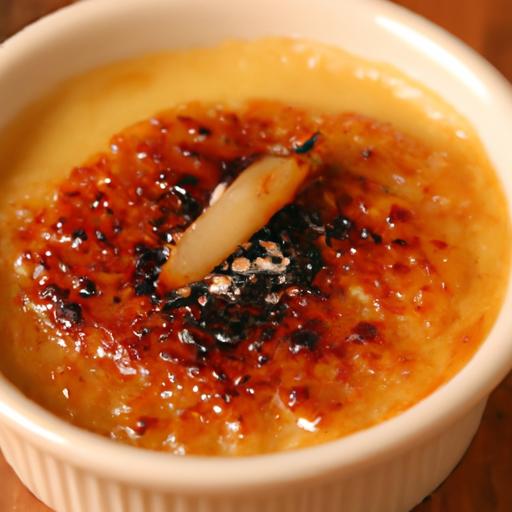


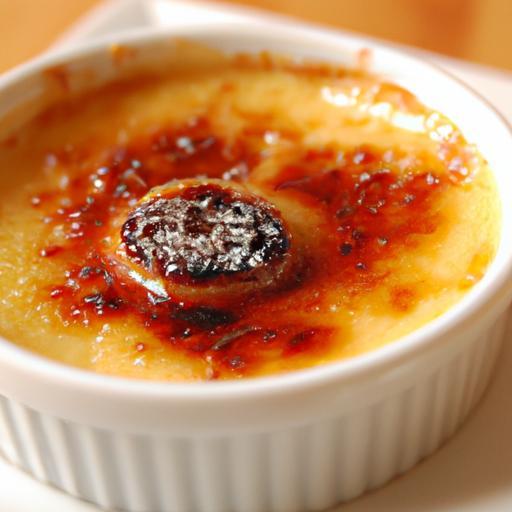
Beneath a delicate, caramelized shell lies a dessert that has enchanted palates for centuries-crème brûlée. This exquisite concoction, with its velvety custard base and satisfyingly crisp top, embodies a perfect harmony of textures and flavors. Its timeless charm transcends borders and generations, inviting both novice dessert lovers and seasoned gourmands to indulge in a sweet ritual that feels both comforting and elegant. In uncovering the story and enduring appeal of classic crème brûlée, we delve into a culinary masterpiece that continues to captivate, proving that some flavors truly never go out of style.
Crème brûlée has long enthralled dessert lovers worldwide with its delightful contrast of velvety custard and a crisp caramelized topping. The timeless charm of classic crème brûlée uncovers more than just its luxurious texture – it reveals a centuries-old tradition that continues to captivate both home cooks and gourmet chefs. Originating as far back as the 17th century in France, this dessert’s roots may trace to the kitchens of monks or noble households, but its enduring appeal lies in the perfect harmony of simple ingredients transformed by expert technique.
Prep and Cook Time
- Preparation: 15 minutes
- Baking: 40 minutes
- Chilling: At least 2 hours (preferably overnight)
Yield
Servings: 6 individual ramekins
Difficulty Level
Medium – Requires attention to detail but highly rewarding
Ingredients
- 2 cups heavy cream
- 1 vanilla bean, split and scraped (or 1 tbsp pure vanilla extract)
- 5 large egg yolks
- ½ cup granulated sugar, plus extra for topping
- A pinch of salt
Instructions
- Preheat your oven to 325°F (160°C). Place six 6-ounce ramekins in a deep baking dish.
- Heat the cream gently in a saucepan along with the split vanilla bean and seeds. Bring to a simmer, then remove from heat and let it infuse for 15 minutes. Remove the bean pod.
- Whisk the egg yolks with ½ cup sugar and a pinch of salt in a medium bowl until pale and slightly thickened.
- Slowly pour the warm cream mixture into the egg yolks, whisking constantly to prevent curdling.
- Strain the mixture through a fine sieve into a large measuring cup or bowl to ensure a silky smooth custard.
- Pour the custard evenly into the ramekins. Pour hot water into the baking dish until it reaches halfway up the sides of the ramekins, creating a water bath for even cooking.
- Bake for 35-40 minutes, or until the custards are set but still slightly wobbly in the center.
- Remove ramekins from water bath and cool to room temperature. Refrigerate for at least 2 hours or overnight for best texture.
- Before serving, sprinkle a thin, even layer of granulated sugar on each custard and caramelize using a kitchen torch or broiler until golden and crackly.
Tips for Success: Mastering the Perfect Custard Texture
- Use room temperature eggs – they blend more evenly, ensuring a smoother custard base.
- Carefully temper the eggs by gradually adding warm cream, avoiding scrambled eggs.
- Strain the custard to eliminate any cooked egg bits for flawless silky texture.
- Monitor baking time – overbaking leads to curdling, underbaking yields a runny center. The gentle wobble is key.
- The water bath maintains steady gentle heat, preventing the custard from cracking or drying out.
- For caramelizing sugar, a kitchen torch gives ultimate control; alternatively, position ramekins under a broiler just long enough to bubble and brown the sugar without melting the custard.
Choosing Ingredients That Elevate Your Crème Brûlée
The foundation of superb crème brûlée lies in selecting high-quality ingredients: rich heavy cream, fresh organic egg yolks, pure vanilla essence or the aromatic depth of a real vanilla bean. Swap pure vanilla for subtle twists like lavender infusion to create floral notes, or try a hint of orange zest for brightness. The right sugar is also crucial; granulated sugar caramelizes best to form that iconic glassy crust.
Serving Suggestions
Present your crème brûlée in elegant ramekins, allowing guests to marvel at the compelling crack of the sugar crust. Garnish lightly with fresh berries or a sprig of mint for color contrast and added freshness. Pair with a glass of dessert wine like Sauternes or Champagne for a refined experience. For added texture and flavor, a dusting of finely chopped toasted almonds or pistachios around the edge brings a delightful crunch.
| Nutrient | Per serving |
|---|---|
| Calories | 350 kcal |
| Protein | 6 g |
| Carbohydrates | 30 g |
| Fat | 24 g |
Discover more recipes to complement your crème brûlée mastery. Dive deeper into culinary heritage and technique by exploring authoritative sources like Le Cordon Bleu.

Q&A
Q&A: The Timeless Charm of Classic Crème brûlée Uncovered
Q1: What exactly is crème brûlée, and why has it remained a beloved dessert for centuries?
A1: Crème brûlée, literally meaning “burnt cream” in French, is a luscious custard topped with a thin layer of caramelized sugar. Its timeless appeal lies in the harmonious contrast between the silky, creamy interior and the satisfyingly crisp, sugary crust.This delightful texture play, combined with its rich vanilla essence, has captivated palates since the 17th century-proof that some tastes truly never go out of style.
Q2: Where did crème brûlée originate,and how has it evolved over time?
A2: While often credited to France,the origins of crème brûlée may trace back to medieval Europe,with similar creamy desserts appearing in England and Spain under different names. Over time,french chefs refined the recipe,perfecting the delicate custard and caramelization technique. Today, crème brûlée remains a staple in fine dining, occasionally reinvented with inventive flavors yet always honoring its classic roots.
Q3: What makes the texture of crème brûlée so uniquely captivating?
A3: The magic of crème brûlée is in its textural duet: a crisp, glassy caramelized sugar shell that shatters with a satisfying crack, revealing a luscious, velvety custard beneath. This sensory interplay indulges multiple senses concurrently-sound, sight, and taste-creating an unforgettable dessert experience that feels both elegant and comforting.
Q4: How vital is the caramelization process in crafting the perfect crème brûlée?
A4: Caramelization is the crown jewel of crème brûlée. The sugar topping is carefully torched or broiled until it melts and hardens into a thin,amber-hued crust. The level of heat and timing are crucial; too little, and the sugar remains pale and sticky; too much, and it becomes bitter. The perfect caramelization delivers a bittersweet crunch that complements the creamy custard’s sweetness, making it a dance of flavors and textures on your palate.
Q5: Can crème brûlée be adapted while still preserving its classic charm?
A5: Absolutely! While vanilla remains the quintessential flavor, chefs have embraced creative variations-infusions of lavender, coffee, citrus zest, or even exotic spices add intriguing layers without overshadowing the dessert’s essence. Yet, even with these twists, the heart of crème brûlée endures: the heavenly custard beneath a glistening, brittle caramelized crown.
Q6: Why does crème brûlée continue to hold a special place in modern cuisine?
A6: In a world of ever-evolving gastronomy, crème brûlée’s enduring allure springs from its perfect balance of simplicity and sophistication. It embodies the artistry of classical French cooking-technique-driven yet humble in ingredients. Its comforting familiarity paired with the gratifying experience of cracking the sugar topping ensures that crème brûlée remains not just a dessert, but a ritual of indulgence cherished across generations.
Q7: What tips woudl you give to someone attempting to make classic crème brûlée at home?
A7: Patience and precision are key. Use high-quality cream and fresh vanilla to build a rich custard base.Bake it gently in a water bath to prevent curdling, and chill thoroughly to set the texture. When caramelizing the sugar, a kitchen torch offers control to achieve that perfect golden crust without burning.Most importantly, don’t rush-part of the joy is savoring the contrast of textures and flavors you’ve created yourself.
Uncovering crème brûlée’s timeless charm reveals more than just a dessert-it’s a festivity of sensory delight, a testament to culinary heritage, and an invitation to slow down and savor life’s sweetest moments.
Key Takeaways
As the delicate crack of caramelized sugar gives way to velvety custard beneath, crème brûlée reveals itself not just as a dessert, but as a sublime experience woven through centuries of culinary artistry.Its timeless charm lies in this perfect harmony of texture and flavor-a reminder that some classics never fade, but continue to enchant palates across generations. Whether savored in a quaint Parisian café or recreated with modern twists at home, crème brûlée invites us to pause, indulge, and celebrate the enduring magic of simplicity perfected. in uncovering its secrets,we rediscover why this iconic dessert remains a shining jewel in the crown of gastronomic tradition.