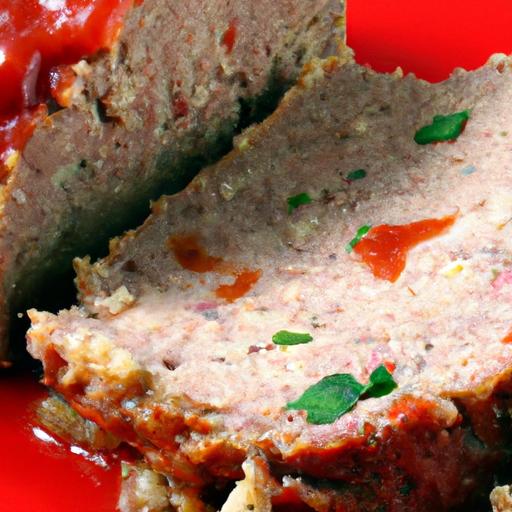


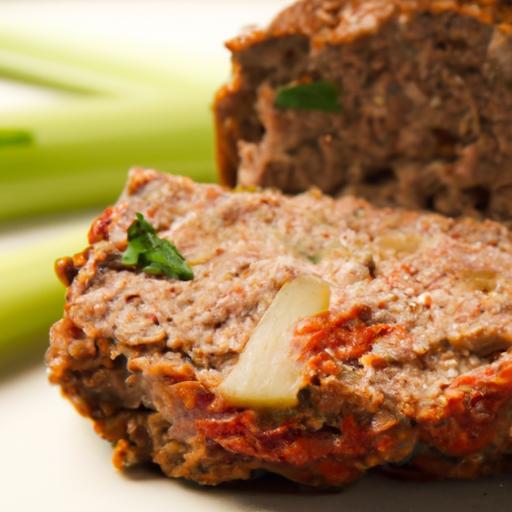
There’s a certain magic in the humble meatloaf-a dish that has quietly carved its place in kitchens and hearts across generations. More than just a meal, classic meatloaf embodies the essence of comfort food: warm, hearty, and effortlessly nostalgic. Its rich,savory aroma wafts from ovens like a beckoning embrace,inviting families to gather around the table and savor a taste that feels both timeless and deeply familiar. In this exploration of meatloaf’s enduring appeal, we delve into its history, cultural meaning, and the simple yet satisfying qualities that have cemented its status as a beloved comfort food icon.
The Origins and Evolution of Meatloaf Through the Decades
The timeless taste of classic meatloaf has long served as a comforting staple across American kitchens, evolving throughout the decades from humble family meals to gourmet reinterpretations. Originally born from European peasant dishes that bound affordable ground meats with breadcrumbs and seasonings,meatloaf rose to iconic status during the Great depression when stretching ingredients was paramount. Over the years, it embraced regional spins-incorporating savory tomato glazes, smoky bacon wraps, or even international spices-without ever losing its soul as a hearty, home-cooked centerpiece.
This dish’s enduring popularity is not just about convenience but about its warmth: a nostalgic echo of generations gathered around the dinner table. Having grown up watching my grandmother lovingly prepare her signature meatloaf, the vibrant scent of sautéed onions mingling with herbs still transports me home. Today, as culinary creativity flourishes, this comfort food icon bridges classic tradition with endless innovation, inviting everyone to savor its timeless appeal.
Prep and Cook Time
- Preparation Time: 20 minutes
- Cooking Time: 1 hour
- Total time: 1 hour 20 minutes
Yield
Serves 6 generous portions
Difficulty Level
Easy – Perfect for beginner and experienced cooks alike
Key Ingredients That Define a Mouthwatering Classic Meatloaf
- 1 ½ pounds ground beef (80% lean for juicy texture)
- ½ pound ground pork (for added moisture and flavor)
- 1 cup fresh breadcrumbs (lightly toasted for improved binding)
- 1 medium yellow onion, finely chopped
- 2 cloves garlic, minced
- 2 large eggs (room temperature)
- ⅓ cup whole milk
- ¼ cup ketchup (plus extra for topping)
- 2 teaspoons Worcestershire sauce
- 1 tablespoon Dijon mustard
- 1 teaspoon smoked paprika
- Salt and freshly ground black pepper to taste
- Fresh parsley, chopped - optional garnish
Tips and Techniques for Achieving the Perfect Texture and Flavor
- Preheat your oven to 350°F (175°C).
- In a skillet, sauté the onion and garlic over medium heat until softened and translucent-about 5 minutes. This deepens flavor and prevents raw onion bites.
- In a large bowl, gently combine the ground beef and pork, ensuring not to overwork the meat, preserving tenderness.
- Add the sautéed onions and garlic, breadcrumbs, eggs, milk, ketchup, Worcestershire sauce, Dijon mustard, paprika, salt, and pepper. Mix lightly with your hands until just combined. Overmixing tightens the texture and produces a dense meatloaf.
- Shape the mixture into a loaf approximately 9×5 inches, placing it on a parchment-lined or lightly greased baking sheet or loaf pan.
- Spread an even layer of ketchup on top for classic glaze, boosting caramelization and tang.
- Bake uncovered for 55-65 minutes,or until an internal temperature of 160°F (71°C) is reached,ensuring food safety and juicy results.
- Once baked, rest the meatloaf for 10 minutes before slicing to lock in juices.
Chef’s Notes
- For extra moisture, substitute half the whole milk with unsweetened Greek yogurt, imparting a subtle tang.
- Try mixing fresh herbs like thyme or oregano to add a herbal brightness without overpowering the classic profile.
- Use panko breadcrumbs for a lighter texture,or crushed saltine crackers for nostalgic crunch.
- Prep in advance by assembling the meatloaf the night before and refrigerating it, allowing flavors to marry beautifully before baking.
- To avoid a dry exterior,tent the meatloaf loosely with aluminum foil for the first 30 minutes of baking.
Serving Suggestions and Sides to Elevate Your Meatloaf Experience
Slice thick, juicy wedges and serve alongside creamy mashed potatoes or buttery roasted root vegetables to complement the savory richness.A luminous green salad with tangy vinaigrette cuts through the richness elegantly, while a spoonful of tangy cranberry chutney or classic brown gravy amplifies comfort without overshadowing the meatloaf’s intricate flavors.
For a colorful, textural contrast, garnish with freshly chopped parsley or a sprinkle of chopped chives. Warm, crusty bread or buttery dinner rolls complete this soul-satisfying meal beautifully.

| Nutrient | Amount per Serving |
|---|---|
| Calories | 380 kcal |
| Protein | 28 g |
| Carbohydrates | 12 g |
| Fat | 24 g |
For more comforting classics, explore our Hearty Home-Cooked Dinners Collection. To deepen your culinary knowledge, visit Serious Eats for expert meatloaf tips and flavor science insights.
Q&A
Q&A: The Timeless Taste of Classic Meatloaf – A Comfort Food Icon
Q1: What makes classic meatloaf such an enduring comfort food?
A1: Classic meatloaf’s enduring appeal lies in its hearty simplicity and soul-soothing flavors. It’s a dish that feels like a warm hug on a plate-combining ground meat, savory herbs, and a sweet tangy glaze into a perfect, cozy package. Its nostalgic presence across generations ties it to family dinners, homecomings, and the universal craving for something familiar and satisfying.
Q2: Where did meatloaf originate, and how has its recipe evolved over time?
A2: Meatloaf’s roots can be traced back to the traditions of various European cultures, where stretched meat dishes were common to feed many with limited resources. The modern American meatloaf, frequently enough featuring ground beef, breadcrumbs, and ketchup-based topping, evolved during the Great Depression as an affordable, nourishing meal. Over time, it has welcomed variations including turkey, lamb, and even vegetarian versions, yet the core concept remains lovingly intact.
Q3: What are the essential ingredients that define a classic meatloaf?
A3: at its heart, classic meatloaf is a harmonious blend of ground beef (sometimes mixed with pork), breadcrumbs or crackers for texture, eggs to bind, finely chopped onions and garlic for aroma, and a savory mix of salt, pepper, and herbs like parsley. The crowning touch? A glossy layer of ketchup or tomato-based glaze, often sweetened with brown sugar or mustard, that caramelizes beautifully in the oven.
Q4: Why does meatloaf evoke such strong feelings of comfort and nostalgia?
A4: Meatloaf is more than just food; it’s a vessel of memories. Many grew up watching it bake slowly in the oven while the household filled with its rich, mouthwatering aroma.Its warmth and substantial nature represent home, care, and tradition. The repetitive, ritualistic preparation connects cooks with past generations, turning every slice into a bridge between then and now.
Q5: Can meatloaf be healthy without sacrificing flavor?
A5: Absolutely! Classic meatloaf can be tailored to align with health-conscious diets by swapping ground beef for lean turkey or plant-based alternatives, reducing salt, or incorporating vegetables like grated zucchini or carrots. The secret is to maintain moisture and flavor-a balance achieved through thoughtful seasoning and the right mix of binders-proving comfort food and healthiness can harmonize deliciously.
Q6: What modern twists are popular on the classic meatloaf recipe today?
A6: Contemporary takes on meatloaf include exotic add-ins like cheeses,mushrooms,or chopped nuts; international spices such as cumin,smoked paprika,or soy sauce; and creative glazes ranging from barbecue to Sriracha-honey blends. Some cooks even experiment with presentation-mini meatloaf muffins or “meatloaf burgers”-making this timeless dish feel fresh and playful while honoring its roots.
Q7: How can one achieve the perfect meatloaf texture and slice?
A7: The key to the perfect texture is balance: enough breadcrumbs and eggs to bind the meat without drying it out, plus gentle mixing to avoid compacting the mixture. Baking at a moderate temperature ensures even cooking and moisture retention. Letting the meatloaf rest after baking allows juices to redistribute, resulting in clean, tender slices that hold together beautifully on the plate.
Q8: Why does the meatloaf glaze matter so much?
A8: The glaze is the flavorful exclamation point of the meatloaf story. It adds a contrasting sweetness and tang that cuts through the richness of the meat, while fostering a caramelized crust that enhances texture and visual appeal. Without the glaze, meatloaf risks tasting flat or dry. It’s the finishing touch that transforms humble ingredients into an iconic comfort food masterpiece.
Meatloaf’s timeless taste speaks to something universal-a craving for heartiness, warmth, and tradition. Whether passed down through family recipes or reinvented with bold new flavors, this comfort food icon continues to bring joy and satisfaction to tables around the world.
In Retrospect
As the savory aroma of a perfectly baked meatloaf continues to waft through kitchens old and new, it’s clear that this hearty dish remains much more than just a meal-it’s a cherished tradition. From its humble roots to its place on modern dinner tables, classic meatloaf embodies the essence of comfort food: simple, satisfying, and timeless. Whether enjoyed as a nostalgic bite from childhood or reinvented with contemporary flair, meatloaf’s enduring appeal reminds us that sometimes, the most enduring flavors are those steeped in history and heart.So next time you slice into that warm,savory loaf,know you’re partaking in a culinary legacy that has warmed countless homes and hearts through the decades.