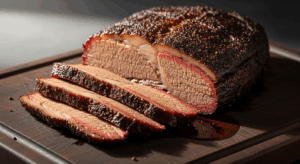


There’s an art to smoking the perfect brisket-a dance between time, temperature, and, perhaps most importantly, wood. The type of wood you choose can transform a humble cut of meat into a smoky masterpiece, infusing each tender bite with layers of rich, savory flavor. But with so many options-from classic hickory to subtle fruitwoods-how do you pick the right one for your brisket? In this guide, we’ll explore the top woods to smoke brisket, unraveling how each variety imparts its unique character and offering flavor tips that will elevate your next barbecue to mouthwatering success. Whether you’re a seasoned pitmaster or a backyard enthusiast,understanding your wood is the secret ingredient to truly unforgettable brisket.
Top woods to smoke brisket unlock a world of smoky depth and aromatic complexity that transforms this classic cut into a culinary masterpiece. Mastering the art of wood selection is the secret to enhancing your brisket’s flavor profile,whether you favor a subtly sweet smoke or a bold,punchy finish. As you venture into the realm of smoking, understanding the distinct characteristics of each wood, expert blending techniques, and common pitfalls will elevate your brisket from good to unforgettable.
Prep and Cook Time
- Planning Time: 30 minutes
- Smoking Time: 10-14 hours
- Resting Time: 1 hour
Yield
- Serves 8-10 guests
Difficulty Level
- Advanced (ideal for enthusiasts ready to refine their smoking skills)
Ingredients
- Whole packer brisket (10-12 pounds), well-trimmed
- coarse kosher salt, 2 tablespoons
- Coarse black pepper, 2 tablespoons
- Smoked paprika, 1 tablespoon (optional for deeper color)
- Wood chunks: select between post oak, hickory, pecan, or applewood
- Yellow mustard, 2 tablespoons (for binder)
Instructions
- prepare the brisket: Trim excess fat, leaving about ¼” cap. rub yellow mustard all over the brisket to help spices adhere without imparting flavor.
- Season generously: Combine kosher salt, cracked black pepper, and smoked paprika. Rub the mixture evenly over the entire brisket, pressing firmly to ensure full coverage.
- Choose your wood: For the classic Texas-style, post oak delivers a clean, medium smoke. Hickory offers robust, bacon-like flavors but should be used sparingly to avoid overpowering the meat. Pecan adds a subtly sweet, nutty essence, perfect for a balanced profile. applewood infuses a light fruitiness that complements the brisket’s richness.
- Set up your smoker: Bring your temperature to a steady 225°F. Create a bed of charcoal and add your chosen wood chunks. Remember, quality hardwood is critical-avoid resinous or soft woods as they create unpleasant, acrid smoke.
- Smoke the brisket: Place brisket fat side up on the grate. Maintain a consistent temperature and smoke for 10-14 hours, until the internal temperature hits 195-205°F. Use a digital probe thermometer for precision.
- Wrap for tenderness: Around the 6-8 hour mark or when the bark develops a deep mahogany color,wrap the brisket in butcher paper or foil to preserve moisture while allowing smoke penetration.
- Rest and slice: Remove brisket from smoker and let it rest, wrapped, for at least 1 hour.This redistributes juices,ensuring every bite is deliciously moist.
Expert Tips for blending Woods to Elevate Brisket Taste
Combining different woods unlocks nuanced layers of flavor. Start with a primary base like post oak and add smaller amounts of pecan or applewood for sweetness and complexity. For a smoky punch, a dash of hickory can add depth-just remember to balance carefully to avoid bitterness. Experiment with blends in small batches to discover your signature taste profile.
Avoiding Common Wood Mistakes for a Perfectly Smoked Brisket
- Never use softwoods like pine or cedar; these produce harsh, resinous smoke.
- always use dry, well-seasoned hardwoods-wet wood causes uneven smoke and bitter flavors.
- limit strong woods such as mesquite for brisket; it’s intense and can easily overpower the meat.
- Maintain consistent smoke by controlling airflow and replacing wood chunks progressively rather than all at once.
Chef’s Notes
- For a bold twist, add a smoked chili powder to your rub, enhancing the wood’s impact.
- If you prefer a milder smoke, blend 70% post oak with 30% applewood to keep the smoke sweet and subtle.
- To achieve a perfect bark, avoid excessive spritzing-just a light mist with apple juice or water every hour works well.
- Make-ahead tip: Prepare the brisket and rub the night before. Refrigerate uncovered for a dry bark formation.
Serving Suggestions
Slice brisket thinly against the grain and serve with traditional sides like smoky baked beans, creamy coleslaw, and buttery cornbread. Garnish with fresh cilantro or chopped green onions to add a luminous contrast. A drizzle of homemade barbecue sauce or a tangy chimichurri elevates the savoriness without masking the smoky notes.

| Nutrient | Amount (per serving) |
|---|---|
| Calories | 450 |
| Protein | 35g |
| Carbohydrates | 2g |
| Fat | 32g |
For further insights on smoking techniques, check out our Ultimate Guide to Smoking Meats. To deepen your understanding of wood flavor profiles, visit this highly respected smoking community where pitmasters share their expertise.
Q&A
Q&A: Top Woods to Smoke Brisket – flavor Tips for Savory Success
Q1: Why does the choice of wood matter when smoking brisket?
A1: The wood you choose is like the soundtrack to your brisket’s flavor symphony. Different woods impart unique aromas and tastes, enhancing the meat’s natural richness or adding complex smoky notes. Picking the right wood can elevate your brisket from good to legendary.
Q2: What are the classic woods recommended for smoking brisket?
A2: Hickory, oak, and pecan reign supreme in the brisket-smoking world. Hickory offers a robust, bacon-like smoky flavor that’s hearty and bold. Oak provides a clean, medium smoke that’s versatile and never overpowering.Pecan delivers a slightly sweet, nutty profile, perfect for those who want a gentle, complex smoke.
Q3: Can fruitwoods be used for smoking brisket?
A3: Absolutely! woods like apple and cherry bring a subtle sweetness and fruity undertones to brisket. They’re ideal if you want a lighter smoke and a touch of elegance in your flavor. Mixing fruitwoods with stronger woods can create a balanced,multi-dimensional profile.
Q4: Are there any woods that should be avoided when smoking brisket?
A4: Yes. Softwoods like pine, cedar, or fir release resinous sap and chemicals that can make your brisket bitter or even toxic. Also, avoid any wood that’s been treated or painted. Stick to clean, seasoned hardwoods for the best results.
Q5: How long should brisket be smoked to best absorb wood flavors?
A5: Low and slow is the mantra! Smoking brisket often takes 10 to 14 hours at around 225°F. This slow journey allows the wood smoke to deeply penetrate and meld with the meat, resulting in that coveted smoky bark and tender interior.
Q6: Is it beneficial to combine different types of wood for smoking brisket?
A6: For adventurous pitmasters, yes! Blending woods like hickory with a hint of fruitwood such as apple can add layers of flavor-bold yet nuanced. Just be mindful of balancing strong and subtle woods for harmony,not chaos.
Q7: What’s a simple tip for using wood chunks or chips when smoking brisket?
A7: Soak wood chips briefly in water before tossing them on the coals to slow their burn and produce steady smoke. Wood chunks don’t usually need soaking and provide longer-lasting smoke, perfect for those marathon brisket sessions.
Q8: How can you tell when your brisket has the perfect smoky flavor?
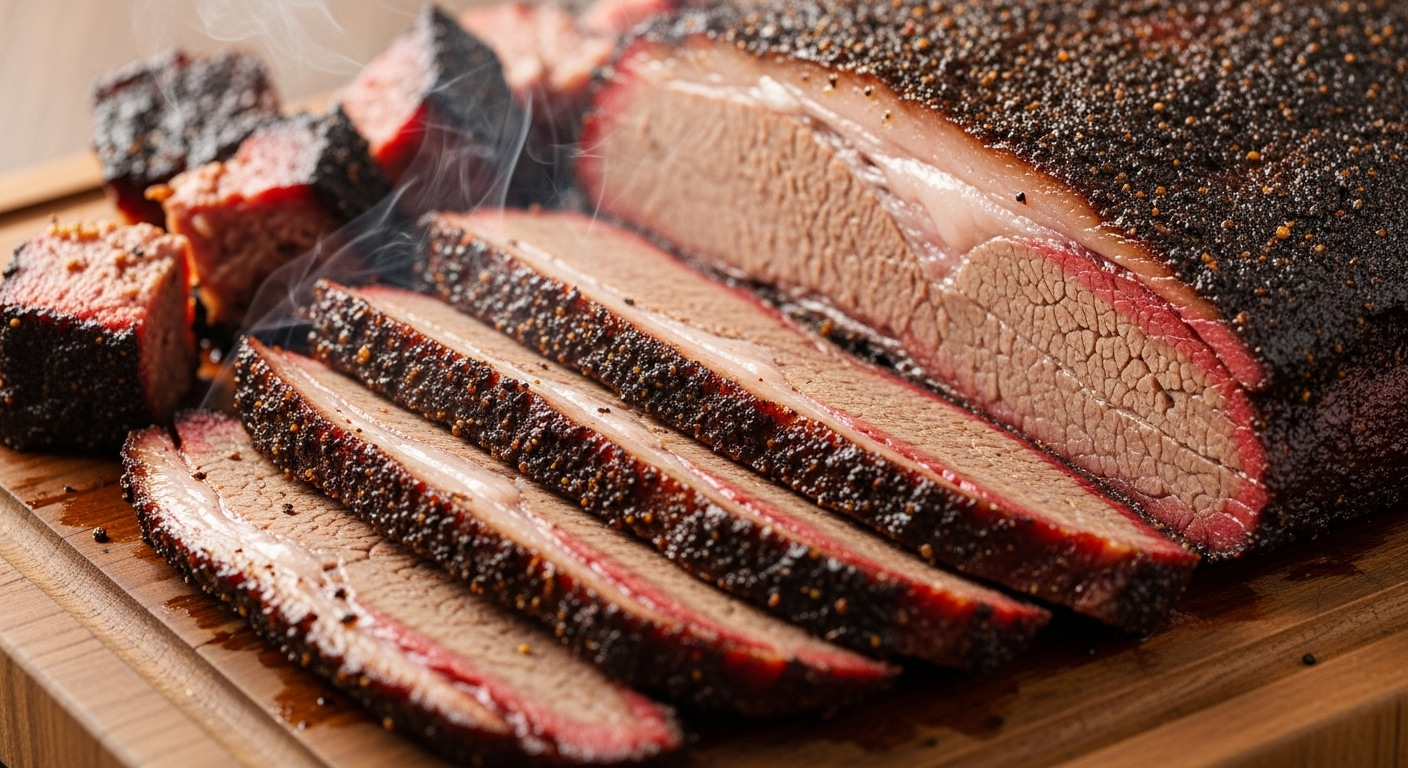
A8: It’s part art, part science. A well-smoked brisket will have a dark, almost mahogany bark, a balanced smoky aroma free of bitterness, and a flavor that complements-not overwhelms-the natural beefy notes. Let your nose and taste buds be your guide!
Embrace the power of the perfect wood, and your brisket will sing smoky praises at every bite!
Final Thoughts
As the smoke curls around your brisket and the rich aromas fill the air, remember that the wood you choose does more than just fuel the fire-it crafts the signature flavor of your masterpiece.Whether you lean toward the sweet whispers of fruitwoods or the bold embrace of traditional hickory, each wood brings its own story to your smokehouse symphony. Experiment, savor, and let your taste buds be the guide on this flavorful journey. After all, the perfect brisket isn’t just cooked-it’s thoughtfully smoked to savory success. Happy smoking!