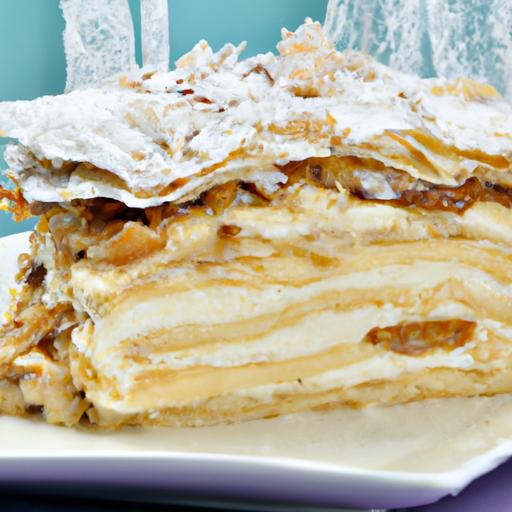




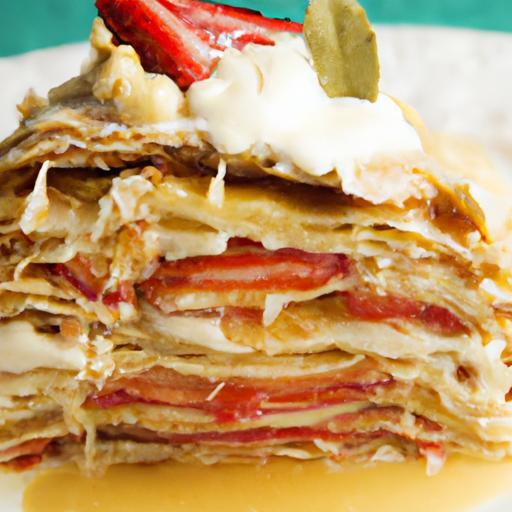
Peeling back the layers of Chilean dessert tradition reveals a masterpiece as delicate as it is decadent: the Torta de Mil Hojas. Translated as the ”Thousand-Layer Cake,” this iconic confection isn’t just a feast for the palate-it’s a culinary tapestry woven from history, culture, and craftsmanship.Each wafer-thin crepe stacked with luscious fillings tells a story of time-honored techniques and regional flair, inviting us to explore why this cake has become a beloved symbol of Chilean sweetness. Join us as we unveil the secrets behind the Torta de Mil Hojas, a cake whose many layers hold the essence of a nation’s rich gastronomic heritage.
Torta de Mil Hojas, Chile’s iconic thousand-layer cake, carries with it centuries of rich history and deep cultural pride. Originating from Chile’s Spanish colonial past, this delicate cake is a true masterpiece of patience and artistry. each wafer-thin layer conjures images of festive family gatherings, where generations unite around a platter of this sweet marvel. Its name, meaning “thousand leaves,” poetically captures the essence of the cake’s signature texture-thin, crispy layers cradling a luscious filling, traditionally made of manjar (Chilean dulce de leche), that pays homage to Chile’s dairy heritage.
Prep and Cook time
- Planning: 1 hour 15 minutes
- Cooking: 45 minutes
- Chilling time: 4 hours to overnight
Yield
Serves 10-12 slices
Difficulty Level
Advanced – requires delicate layering and careful assembly
Choosing the Right Ingredients for Authentic Flavor and Texture
For an authentic Torta de Mil Hojas experience, every ingredient shapes the final flavor and texture. Start with high-quality all-purpose flour to create supple yet sturdy pastry layers. fresh eggs, preferably at room temperature, lend richness and elasticity. The defining feature-manjar-should be silky and sweet without overwhelming the palate,inviting that conventional Chilean touch. Opt for unsalted butter with a rich creaminess to maximize flavor in your dough and filling. A hint of vanilla extract rounds out the balance, weaving through each bite.
- 2 ½ cups all-purpose flour,sifted
- 4 large eggs,at room temperature
- ¾ cup unsalted butter,melted and cooled
- 1 cup white sugar
- 1 tsp vanilla extract
- Pinch of salt
- 2 cups manjar (Chilean dulce de leche)
- Optional: powdered sugar for dusting
crafting the Perfect Layers: A Step-by-step Guide to Traditional Preparation
- Prepare the dough: in a large bowl,whisk together flour,sugar,and salt. In a separate bowl, beat eggs lightly, then combine with melted butter and vanilla extract.
- Combine and knead: Slowly incorporate the wet ingredients into the dry, kneading gently until you achieve a smooth, elastic dough. Avoid overworking to keep layers tender.
- Rest the dough: Wrap dough in plastic and refrigerate for 30 minutes to relax the gluten.
- Divide and roll: On a floured surface,divide dough into 12 equal portions. Using a rolling pin, roll each portion extremely thin-almost translucent-aiming for wafer-thin discs approximately 6 inches in diameter.
- Cook each layer: Heat a dry non-stick skillet over medium heat. Cook each layer about 1 minute per side or until lightly golden. Stack layers on parchment paper as they cool to prevent sticking.
- assemble the cake: Spread a generous, even layer of manjar between each wafer, gently pressing down to adhere but keep layers distinct. Repeat until all layers are assembled.
- Chill and set: Refrigerate the assembled cake for at least 4 hours, preferably overnight, to allow the layers to meld and the manjar to firm up.
- Final touch: Dust the top with powdered sugar before slicing for an elegant finish.
Expert Tips for Serving and Storing Your Mil Hojas Cake
Serve cold or at room temperature, slicing carefully with a serrated knife for clean cuts that showcase the delicate stratification. Complement slices with fresh berries or a dollop of lightly whipped cream to add freshness and balance the rich sweetness. For festive occasions, garnish with edible flowers or crushed toasted nuts to add texture and visual intrigue.
Store any leftovers tightly wrapped in plastic wrap in the refrigerator to preserve moisture and flavor.Properly stored, your Torta de Mil Hojas remains delightful for up to 3 days. For longer storage, freeze individual slices with parchment between layers; thaw slowly in the fridge before serving.
Chef’s Notes: Tips for Success
- Roll dough as thin as possible without tearing to get that signature crunch.
- If manjar is too thick, soften it slightly over low heat to spread easily.
- Use parchment paper between cooked layers to speed up assembly and prevent sticking.
- for a twist, alternate layers with a subtle cinnamon or ground nuts in the filling.
- Make-ahead: Prepare wafer layers a day prior and store in an airtight container.
- Don’t rush chilling; it’s essential for flavors to meld and the cake to slice neatly.
Nutritional Facts per Serving
| Calories | Protein | carbohydrates | fat |
|---|---|---|---|
| 320 kcal | 6 g | 45 g | 12 g |

Discover more about Chilean desserts in our Traditional chilean Desserts Guide and enrich your culinary journey. To dive deeper into the history and legacy of Chile’s iconic sweets, visit the authoritative resource at Chile Travel Official Site.
Q&A
Q&A: Torta de Mil Hojas – Chile’s Iconic Thousand-Layer Cake Unveiled
Q1: What exactly is Torta de Mil Hojas?
A1: Torta de Mil Hojas, literally meaning “Thousand-Layer Cake,” is a beloved Chilean dessert renowned for its countless thin, flaky layers of pastry stacked and filled with luscious dulce de leche (manjar). It’s a sweet architectural marvel that combines delicate crunchiness with creamy indulgence-a multi-textural delight that has captured the hearts and palates of chileans for generations.
Q2: Why is it called “Thousand-Layer Cake” if it doesn’t literally have a thousand layers?
A2: The name is a poetic exaggeration highlighting the cake’s signature feature: its many, many layers. While it might not reach an actual thousand, the cake’s delicate sheets of pastry-meticulously baked and stacked-create a dense “mountain” of layers that feels as intricate and abundant as the name suggests. It’s more about the impression of lavish layering than exact counting.
Q3: What are the main ingredients of Torta de Mil Hojas?
A3: At its core, this cake is crafted from simple ingredients-flour, butter, sugar, eggs for the pastry sheets, and generous amounts of manjar (Chilean dulce de leche made from sweetened condensed milk) for the filling. Many recipes add a hint of vanilla or lemon zest to brighten the flavor, and sometimes a dusting of powdered sugar crowns the final masterpiece.
Q4: How is Torta de Mil Hojas traditionally prepared?
A4: The process is both an art and a labor of love. Thin layers of dough are rolled out, baked individually until crisp and golden, then carefully layered with thick spreads of manjar. Each layer requires patience and precision, ensuring the cake is tall yet stable, with each bite revealing an enchanting contrast of textures – flaky, creamy, and sweet.Q5: What significance does Torta de Mil Hojas hold in Chilean culture?
A5: More than just a dessert, Torta de Mil Hojas is a cultural symbol that evokes nostalgia and celebration. It’s a staple at birthdays, weddings, and special gatherings-an edible emblem of Chilean warmth and tradition. Sharing a slice is an invitation to savor history and craftsmanship alongside loved ones.
Q6: Are there variations of this cake across different regions or households?
A6: Absolutely. While manjar remains the quintessential filling,some variations incorporate fresh fruits,nuts,or creams to add new dimensions of flavor. Certain families pass down secret recipes, tweaking the balance of sweetness or layering techniques, making each homemade version a unique testament to Chilean culinary creativity.
Q7: How does Torta de Mil Hojas compare to other “thousand-layer” cakes worldwide?
A7: While several cultures boast their own layered confections-such as the russian Medovik or French Mille-feuille-Chile’s Torta de Mil Hojas stands out for its rustic charm and distinctive use of manjar. Unlike puff pastry-focused versions, this cake emphasizes crisp, thin pastry layers with an indulgently creamy filling, creating a flavor and texture profile uniquely Chilean.
Q8: Can someone attempt to make Torta de Mil hojas at home?
A8: Definitely! Though it demands patience and some pastry skill, many home bakers embrace the challenge. the key is in perfecting those ultra-thin layers and balancing the sweetness of the manjar.With practice, the homemade Torta de Mil Hojas becomes more than a dessert-it becomes a rewarding journey into Chile’s culinary soul.
Q9: Where can one savor the authentic Torta de Mil Hojas in Chile?
A9: From bustling Santiago bakeries to quaint cafés in Valparaíso, Torta de Mil Hojas is widely celebrated and available. Seeking out traditional “pastelerías” or family-run spots frequently enough leads to the most authentic, lovingly prepared versions-each slice a testament to Chile’s rich gastronomic heritage.
Q10: Why should anyone outside Chile explore this cake?
A10: Beyond its deliciousness, Torta de Mil Hojas is an edible gateway into Chile’s culture, history, and passion for artisanal baking. Trying this cake offers a sweet introduction to the country’s traditions and an invitation to experience the layered complexities-not just of pastry, but of a nation’s story told through dessert.
Closing Remarks
As the final slice of Torta de Mil Hojas melts away, we’re left not just with a sweet memory but with a deeper appreciation for a cake that is as rich in history as it is indeed in flavor. This iconic Chilean dessert, with its delicate thousand layers, tells a story of tradition, craftsmanship, and a passion for culinary artistry passed down through generations. Whether enjoyed at a festive gathering or a quiet afternoon tea,the Torta de Mil Hojas invites us to savor more than just its buttery,sugary textures-it invites us to partake in a cultural legacy that continues to delight palates around the world. So next time you encounter this mille-feuille marvel, remember: each layer is a piece of Chile’s heart folded into a cake.