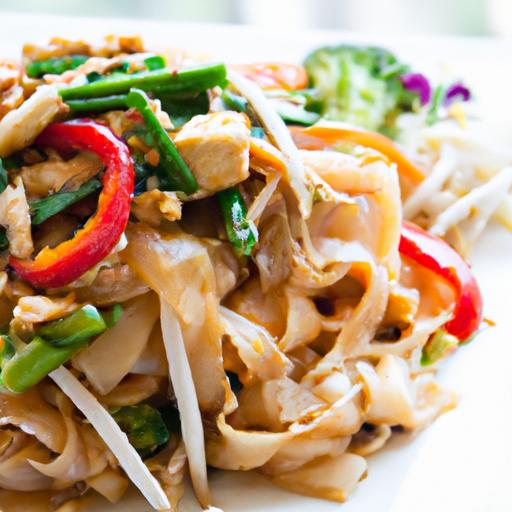
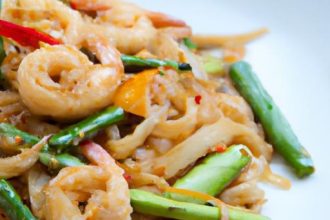


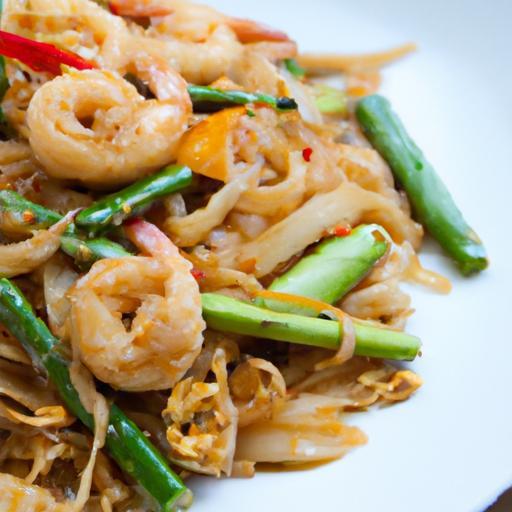
Vibrant, spicy, and irresistibly flavorful, Thai Drunken Noodles-known locally as Pad Kee Mao-are much more then just a popular street food; they are a culinary adventure in every bite. This beloved dish, with its bold blend of fresh herbs, fiery chili, and savory sauces, captures the essence of Thailand’s dynamic food culture. But what gives Drunken Noodles their signature kick, and how can you recreate this iconic masterpiece at home? In this authentic recipe guide, we’ll unlock the secrets behind this beloved classic, revealing the perfect balance of ingredients and techniques that transform simple noodles into a mouthwatering feast. Whether you’re a seasoned foodie or a curious kitchen explorer, prepare to dive into the world of Thai Drunken Noodles like never before.
Unlock the secrets of Thai Drunken Noodles with a journey through vibrant Thai street food culture, where bold flavors and aromatic spices come alive in a dish that’s both fiery and satisfying. Known locally as Pad Kee Mao, these drunken noodles captivate with their perfect balance of heat, savory depth, and the delightful chewiness of stir-fried rice noodles. Inspired by countless nights discovering the art of street cooking in Bangkok, this recipe promises to bring the authentic taste of Thailand right to your kitchen.
Prep and Cook Time
Prep: 15 minutes | Cook: 10 minutes | Total: 25 minutes
Yield
Serves 4 generous portions
Difficulty Level
medium – Ideal for adventurous home cooks ready to master bold Asian flavors
Ingredients
- 200g fresh wide rice noodles (or dried soaked in warm water for 30 minutes)
- 200g boneless chicken thighs, thinly sliced (can substitute with pork, shrimp, or tofu)
- 3 tablespoons vegetable oil (preferably peanut or canola)
- 5 cloves garlic, minced
- 2 Thai bird’s eye chilies, finely chopped (adjust for heat tolerance)
- 1 small red onion, sliced thinly
- 1 cup Thai holy basil leaves (substitute with thai sweet basil or holy basil if unavailable)
- 2 tablespoons light soy sauce
- 1 tablespoon dark soy sauce
- 1 tablespoon oyster sauce
- 1 teaspoon fish sauce
- 1 teaspoon white sugar
- 1/2 cup bell peppers, sliced thinly (optional for color and crunch)
- 1 scallion, chopped for garnish
Instructions
- Prepare the noodles: If using dried rice noodles, soak them in warm water for 25-30 minutes until pliable but still firm to the bite. Drain and set aside.
- Mix your sauces: In a small bowl,combine light soy sauce,dark soy sauce,oyster sauce,fish sauce,and sugar. Stir until sugar dissolves completely-this sweet-salty mixture forms the backbone of the dish.
- Heat the wok or large skillet: Use medium-high heat and add the vegetable oil. Once shimmering, add minced garlic and chopped chilies, sautéing until fragrant-about 30 seconds. Be careful not to burn the garlic for optimal flavor.
- Add the chicken: Toss thin slices into the wok, stir-frying until just cooked through and lightly golden-about 4-5 minutes.
- Incorporate onions and optional bell peppers: Stir well and cook for 2 minutes, allowing them to soften slightly while preserving a hint of crunch.
- Add noodles and sauce: Flick in the drained noodles and pour over the sauce mixture. Toss continuously to coat every strand in glossy, spicy goodness. Stir-fry vigorously for 2-3 minutes to achieve that signature wok hei (breath of the wok) aroma and slightly caramelized edges.
- Finish with holy basil: Add basil leaves last,stirring just until wilted-this preserves their aroma and slight peppery bite.
- Plate and garnish: Serve hot, garnished with chopped scallions and an extra sprinkle of fresh chilies if desired.
chef’s Notes & Tips for Success
- Noodle choice matters: Fresh wide rice noodles deliver the best chew,but dried can suffice with proper soaking. Avoid over-soaking; noodles should maintain some firmness.
- Heat adjustment: Bird’s eye chilies give authentic heat, but reduce quantity to tame the spice or swap with mild red chili flakes.
- Protein varieties: Chicken thighs stay juicy under high heat; tofu is a great vegetarian option-press well to remove moisture.
- Make-ahead sauce: Blend your sauce ingredients in advance and refrigerate for up to 2 days to deepen the flavors.
- wok vs. skillet: A well-seasoned wok provides the ultimate wok hei.If using a skillet, ensure it’s hot before adding ingredients to avoid soggy noodles.
Serving Suggestions
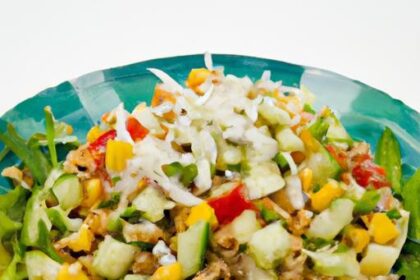
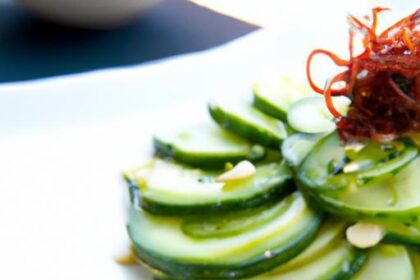
Present your creation with a wedge of lime to brighten the spice with zesty acidity. Accompany the dish with a simple cucumber salad or classic Thai iced tea. A sprinkle of crushed roasted peanuts adds delightful texture contrast and enhances the dish’s complexity. for a social meal,pair it with steamed jasmine rice and a bowl of tom yum soup to embrace the full spectrum of Thai dining.

| Nutrient | Per Serving |
|---|---|
| Calories | 420 kcal |
| Protein | 28 g |
| Carbs | 45 g |
| Fat | 12 g |
Explore our collection of authentic Thai curry recipes to complement this dish and expand your home-cooked Thai menu. For a deeper dive into Thai culinary culture, visit Tourism Thailand.
Q&A
Q&A: Unlock the Secrets of Thai Drunken Noodles – authentic Recipe Guide
Q1: What exactly are Thai Drunken Noodles?
A1: Despite the name, Thai Drunken Noodles (Pad Kee Mao) have nothing to do with alcohol! This fiery stir-fried noodle dish is famed for its bold, savory flavors and vibrant mix of fresh herbs, chili, garlic, and soy sauce. Legend says it’s called “drunken” as it’s perfectly satisfying after a night out – spicy enough to revive your senses and easy to whip up from whatever’s in your fridge.
Q2: What type of noodles are traditionally used in Drunken Noodles?
A2: The star of the dish is thick, flat rice noodles, known locally as sen yai. These noodles have a delightfully chewy texture that holds up well to the robust sauce and lively stir-fry. If you can’t find sen yai, broad rice noodles work as a great substitute.Q3: What makes the flavor of Drunken noodles so unique?
A3: It’s all about balance! The sauce combines salty (soy and oyster sauce), sweet (a touch of palm sugar), spicy (fresh chilies), and aromatic (garlic and Thai holy basil). That medley brings layers of complexity – smoky, sweet, and fiery – that dance harmoniously on your palate with every bite.
Q4: Can I make Thai Drunken Noodles vegetarian or vegan?
A4: Absolutely! Swap out the customary chicken, beef, or seafood for tofu or your favorite mushrooms. just be sure to use vegetarian oyster sauce or tamari instead of the regular oyster sauce to keep things plant-based. The holy basil and chili will keep the dish packing flavor, no meat needed.
Q5: What is the secret to getting the perfect “wok hei” flavor in this dish?
A5: Wok hei, or “breath of the wok,” is that unmistakable smoky aroma achieved by cooking over very high heat with quick, vigorous tossing. Use a well-seasoned wok, get it piping hot, and stir-fry ingredients swiftly. This technique caramelizes the noodles and sauce,imbuing them with that signature charred complexity.
Q6: Where does the “drunken” part of the name come from?
A6: The story goes that this dish is often eaten after a night of drinking because it’s flavorful, spicy, and indulgent enough to satisfy late-night cravings and help “soak up” alcohol. Another theory suggests that cooks threw in whatever they had “drunkenly” rummaging through the pantry, resulting in this delicious, eclectic noodle creation.
Q7: What fresh herbs are essential for authentic Drunken Noodles?
A7: Thai holy basil (bai krapow) truly sets Drunken Noodles apart. Its peppery, slightly anise-like flavor adds a fragrant punch that elevates the dish. If you can’t find holy basil, Thai sweet basil or even fresh sweet basil can serve as alternatives but with a different, milder flavor profile.
Q8: How spicy is Thai Drunken Noodles traditionally?
A8: Traditionally, it’s quite spicy! The level of heat depends on how many bird’s eye chilies you add and whether you include chili paste. That said, you can easily adjust the spice to suit your taste-ranging from a gentle kick to a full-blown fiery feast.Q9: can I prepare Drunken Noodles ahead of time?
A9: For best texture and flavor, it’s recommended to enjoy Drunken Noodles fresh off the wok. However, you can prep ingredients in advance-chop veggies, slice protein, and make the sauce. If you must reheat leftovers, do so quickly over high heat to revive that wok-fired essence.
Q10: What sides or beverages pair well with Thai Drunken Noodles?
A10: To balance the heat,serve Drunken Noodles with cooling sides like cucumber slices or a simple papaya salad.Chilling Thai iced tea or a cold lager complements the fiery flavors perfectly. And don’t forget a wedge of lime to squeeze on top for a refreshing citrus burst!
Wrapping Up
As the final simmer of your Thai drunken noodles settles, you’re not just savoring a dish-you’re embracing a story steeped in tradition, bold flavors, and a touch of culinary adventure. Unlocking the secrets behind this beloved street food unlocks a gateway to Thailand’s vibrant culture and its masterful balance of spicy, sweet, and savory. Whether you’re a seasoned foodie or a curious home cook, mastering this authentic recipe invites you to bring a slice of Thailand’s lively spirit right to your kitchen. So gather your ingredients, ignite your stove, and let each flavorful bite transport you to the bustling streets where drunken noodles reign supreme. Your authentic Thai culinary journey has only just begun.