


In the world of ramen, every bowl tells a story-steaming broth, springy noodles, and vibrant toppings come together in a harmonious dance of flavors. Among these,the ajitsuke tamago,or marinated ramen egg,stands out as a jewel crowning the dish with it’s glossy exterior and rich,custardy yolk. But what transforms a simple boiled egg into this savory masterpiece? Unlocking the art of ramen egg marinade reveals a secret alchemy of soy, mirin, and time, where humble ingredients meld to create a burst of umami with every bite. Join us as we dive deep into the techniques, traditions, and flavor science behind ajitsuke tamago, and discover how to elevate your ramen experience from good to unforgettable.
Unlocking Flavor: The Art of Ramen Egg Marinade (Ajitsuke Tamago) begins with understanding how these silky, umami-rich eggs elevate a simple bowl of ramen into an remarkable sensory experience. Hailing from Japanese ramen culture, these soft-boiled eggs soaked in a balanced marinade embody a harmony of taste and texture that captivates both home cooks and culinary professionals alike.
Prep and Cook Time
- preparation: 10 minutes
- Cooking: 7 minutes
- Marinating: 6 to 24 hours (depending on depth of flavor desired)
Yield
4 servings (8 ajitsuke tamago halves)
Difficulty Level
Medium
Ingredients
- 4 large eggs,preferably at room temperature
- 1/2 cup soy sauce (use a balanced low-sodium variety for best results)
- 1/2 cup mirin (Japanese sweet rice wine)
- 1/4 cup sake (or substitute with water if unavailable)
- 1 tablespoon sugar (adjust to taste)
- 1 cup cold water
- Optional aromatics: 1 slice of ginger,1 clove garlic,small piece of dried kelp (kombu)
Instructions
- Boil the Eggs: Bring a medium pot of water to a rolling boil. Gently lower the eggs into the water using a slotted spoon. Boil for exactly 6 minutes to achieve a luscious, jammy yolk.
- Ice Bath: Immediatly transfer the eggs to an ice bath for 5 minutes to halt cooking and ease peeling. This step is crucial for clean, unbroken eggs.
- Peel Carefully: Tap each egg gently on the counter,then roll to crack the shell all around. Peel under running water to remove any stubborn shell fragments while preserving the tender white.
- Prepare Marinade: In a bowl, combine the soy sauce, mirin, sake, sugar, and cold water. Stir until sugar dissolves fully.Add optional aromatics like ginger, garlic, or kombu to deepen flavor complexity.
- Marinate Eggs: Place peeled eggs in a resealable bag or shallow container.Pour marinade over until eggs are fully submerged. Seal or cover, refrigerate for 6 to 24 hours depending on desired intensity.
- Serving Prep: Remove eggs from marinade. Slice each egg in half lengthwise just before serving to reveal the glowing, custard-like yolk.
Tips for Success: Crafting the perfect Ajitsuke Tamago
- Temperature matters: Use room temperature eggs to ensure even cooking and prevent cracking during boiling.
- Marinade balance: The interplay of salty soy sauce,sweet mirin,and a hint of sake creates a subtle umami-rich base. Adjust sweetness with sugar to match your palate.
- Marinating time flexibility: For light flavor, 6 hours suffices; for rich, deeply infused eggs, aim for 24 hours but avoid surpassing 48 hours to prevent overly salty results.
- storage: keep marinated eggs refrigerated and consume within 3 days for optimal freshness and flavor.
- Make-ahead convenience: Ajitsuke tamago can be prepared up to 2 days in advance, making it a perfect time-saving addition for a ramen night.
- Peeling hack: Use older eggs (about a week old) if possible, as they peel more easily.
Serving Suggestions
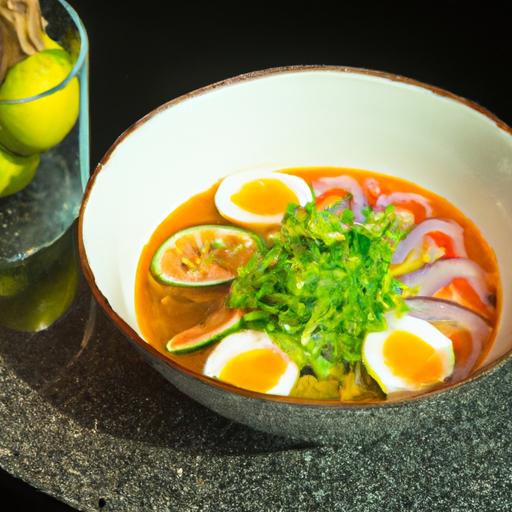
Ajitsuke tamago is at its best when nestled atop steaming bowls of tonkotsu, shoyu, or miso ramen, where its rich yolk melds with the broth’s savory depths. Garnish with finely sliced scallions, a sprinkle of toasted sesame seeds, or a touch of chili oil for an extra layer of aroma and color. for a beautifully textured presentation, place the egg halves cut side up on your noodles, allowing their glowing centers to become the dish’s focal point.

| Nutrient | Per Egg (Marinated) |
|---|---|
| Calories | 70 kcal |
| Protein | 6 g |
| Carbohydrates | 2 g (from marinade sugar) |
| Fat | 5 g |
For more inspiration on the perfect Ramen broth to pair with your ajitsuke tamago, explore our detailed guide on classic Tonkotsu Ramen Recipe. Additionally, deepen your knowledge of umami-rich Japanese ingredients at Japan Guide’s Umami overview.
Q&A
Q&A: Unlocking Flavor – The Art of Ramen Egg Marinade (Ajitsuke Tamago)
Q1: What exactly is Ajitsuke Tamago, and why is it so beloved in ramen culture?
A1: Ajitsuke Tamago, often simply called ramen egg, is a marinated soft-boiled egg that’s become a signature topping in Japanese ramen. Its silky yolk and savory, slightly sweet outer layer add a burst of umami that elevates every slurp. Think of it as the golden treasure hidden within your bowl, marrying texture and flavor seamlessly.Q2: How does the marinade transform a simple soft-boiled egg into Ajitsuke Tamago?
A2: the magic lies in the marinade-usually a delicate blend of soy sauce, mirin, sake, and sometimes sugar or dashi. This mixture infuses the egg white with rich, savory notes, while the yolk remains luscious and velvety. Time is a key player here; the longer the egg rests in the marinade (typically 6-12 hours),the deeper and more complex the flavor becomes.
Q3: Is the egg’s texture just as important as its flavor? How do you achieve that perfect consistency?
A3: Absolutely. The allure of ajitsuke tamago is its contrast: a slightly firm white enveloping a creamy, custard-like yolk. Achieving this requires precision-usually boiling the eggs for about 6-7 minutes and then immediately cooling them in ice water to halt cooking. This technique prevents overcooking and sets the foundation for perfect texture before marinating.
Q4: Can the marinade be customized, or is there a customary recipe that should be followed?
A4: While tradition offers a classic formula, creativity blooms in ramen kitchens worldwide. Some add garlic, ginger, or chili to the marinade for extra punch, others experiment with miso or kombu for nuanced layers. The essential goal remains the same: balance salty, sweet, and umami flavors to complement the egg without overpowering it.
Q5: How can beginners replicate this at home without fancy ingredients?
A5: Start simple! Basic soy sauce, a touch of sugar, and mirin (or a splash of rice vinegar and honey if mirin is unavailable) can create a tasty marinade.Carefully time your boiling and cooling steps, and use airtight containers for marinating in the fridge. Even this humble approach will unlock a world of flavor in your ramen bowl.
Q6: Beyond ramen, are there other dishes where Ajitsuke Tamago shines?
A6: Definitely! These eggs lend their savory richness to rice bowls, salads, and even as a snack on their own. Their versatility extends to fusion dishes too-imagine them nestled atop a poke bowl or sliced into a flavorful bento box. Wherever a burst of umami and creamy texture is welcome, ajitsuke tamago is a star.
Q7: What’s the best way to store and enjoy Ajitsuke Tamago for maximum freshness?
A7: After marinating, keep the eggs refrigerated in their marinade or sealed container. They’re best enjoyed within 2-3 days for optimal flavor and texture. Before serving, gently wipe off excess marinade and slice with a sharp knife to reveal that enticing golden yolk center.
Ajitsuke tamago transforms a humble egg into an experience-a symphony of textures and flavors that unlocks the true soul of ramen. With a little patience and love, anyone can master this art and bring a touch of Japanese culinary magic to their own kitchen.
The Conclusion
As the savory embrace of a perfectly marinated ajitsuke tamago gently cloaks each bite, it becomes clear that crafting the ideal ramen egg is both science and art-a delicate balance of time, flavor, and patience. Unlocking the secrets behind this humble yet transformative marinade not only elevates your bowl but also deepens your thankfulness for the rich traditions simmering within every slurp. So whether you’re a seasoned ramen enthusiast or an adventurous home cook, mastering the art of the ramen egg marinade invites you to savor a little piece of culinary magic-one golden yolk at a time.