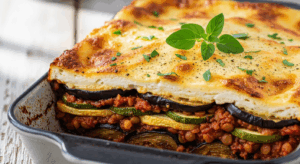


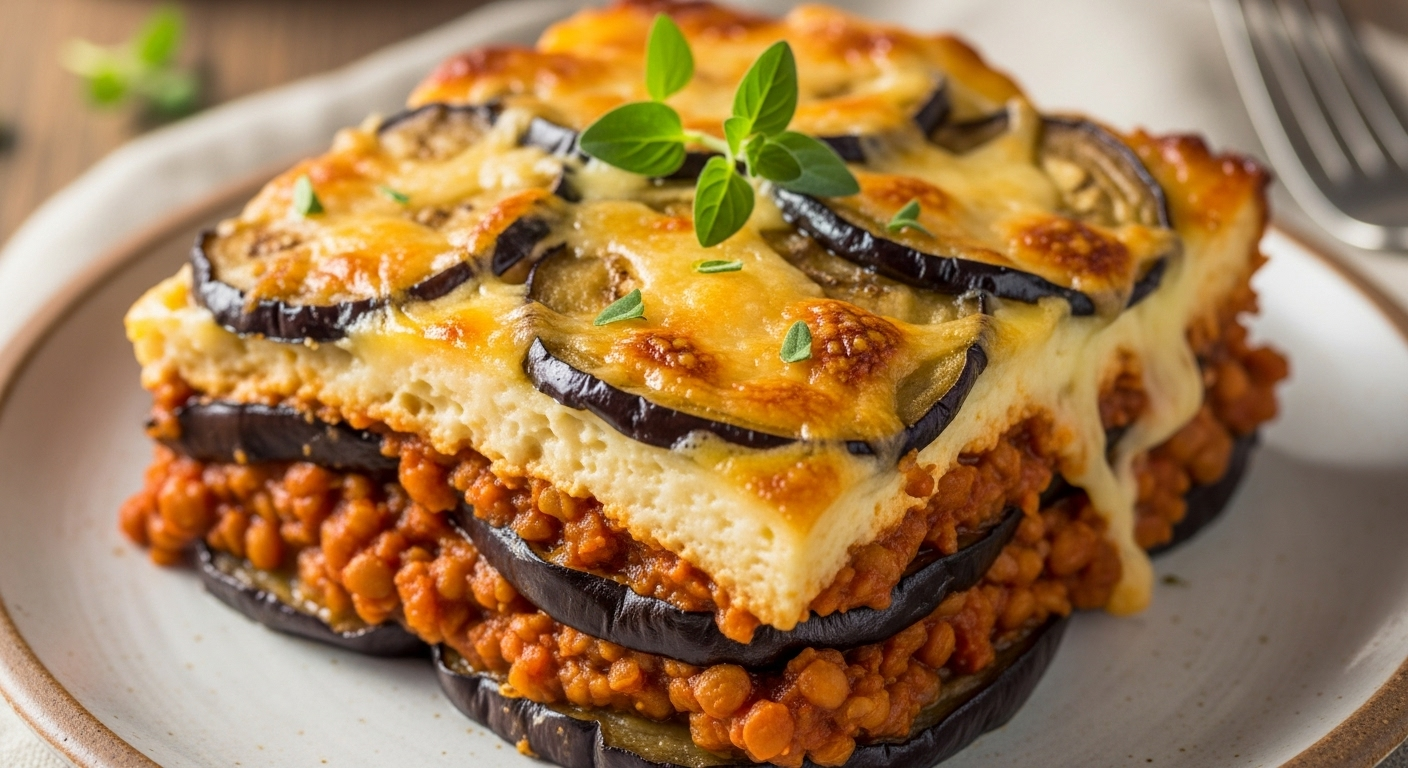
Moussaka, a dish steeped in Mediterranean tradition, has long been celebrated for its rich layers of tender eggplant, spiced meat, and creamy béchamel sauce. But what happens when we reimagine this beloved classic through a vegetarian lens? Enter Vegetarian moussaka-a vibrant, flavorful twist that honors the original’s comforting essence while inviting a fresh, garden-fresh palette to the table.In this article, we’ll explore how wholesome vegetables, aromatic herbs, and savory sauces come together to create a satisfying masterpiece that delights both the taste buds and the conscience. Whether you’re a devoted vegetarian or simply curious about new culinary adventures, vegetarian moussaka offers a tasty journey into the heart of Mediterranean cuisine with a new, nourishing perspective.
Exploring the Rich Origins and Evolution of Vegetarian Moussaka
Vegetarian Moussaka has carved a special place in the hearts of food lovers who crave a hearty dish rich in mediterranean tradition but without meat. Rooted deeply in the culinary history of Greece and the Eastern Mediterranean, vegetarian moussaka reflects an evolution from the classic layered casserole traditionally featuring ground lamb or beef. Over centuries, the dish embraced regional ingredients and dietary preferences, giving rise to delightful meatless adaptations that retain the soul of the original while highlighting fresh vegetables and herbs.
Originally, moussaka was a simple amalgamation of eggplant, tomatoes, and spiced meat, topped generously with béchamel sauce. As vegetarianism and plant-forward cooking gained momentum worldwide, creative chefs started replacing meat with mushrooms, lentils, or hearty pulses to replicate that sumptuous texture and depth of flavor. This evolution not onyl made moussaka more accessible but also enabled vibrant seasonal twists-infused with earthy, aromatic spices and fresh produce that celebrate the essence of Mediterranean cuisine.
Key Ingredients That Elevate Vegetarian Moussaka to New Heights
To create an unforgettable vegetarian moussaka, selecting the right ingredients is essential. Start with plump, firm eggplants that roast to silky perfection, offering a smoky richness. Firm potatoes add a comforting, starchy base, while sautéed mushrooms bring an umami depth that mimics the savory profile of minced meat. Aromatic vegetables like onions and garlic mingle with crushed tomatoes, creating a luscious sauce bursting with natural sweetness and acidity.
But the magic truly happens with the creamy béchamel sauce, enriched with nutmeg to add warmth and a velvety finish. Fresh herbs such as oregano, thyme, and parsley infuse vibrant Mediterranean flair, while a sprinkle of grated hard cheese-like Parmesan or pecorino-melds the layers harmoniously. These elements combine to form an exquisite balance of textures and flavors, making vegetarian moussaka a dish both comforting and refined.
Step by Step Guide to Crafting the Perfect Meatless Moussaka
Embark on your culinary journey with this approachable recipe designed to yield a satisfying, layered vegetarian moussaka that will impress family and friends alike.
Ingredients
- 2 large eggplants, sliced 1/2 inch thick
- 3 medium potatoes, peeled and sliced 1/4 inch thick
- 2 cups mushrooms, finely chopped
- 1 large onion, finely diced
- 4 garlic cloves, minced
- 1 can (14 oz) crushed tomatoes
- 1/4 cup olive oil, plus extra for roasting
- 1/2 cup dry red wine (optional, adds depth)
- 1 tsp ground cinnamon
- 1 tsp dried oregano
- Salt and black pepper, to taste
- 3 tbsp chopped fresh parsley
- For the béchamel sauce:
- 4 tbsp unsalted butter
- 1/3 cup all-purpose flour
- 3 cups whole milk, warmed
- Pinch of ground nutmeg
- 1/2 cup grated Parmesan or Pecorino cheese
- Salt and white pepper, to taste
Instructions
- Prepare the vegetables: Preheat oven to 400°F (200°C). Lightly brush eggplant and potato slices with olive oil on both sides; season with salt.Arrange on baking sheets in a single layer. Roast for 20-25 minutes, turning halfway, until golden and tender but still holding shape. Set aside to cool.
- Sauté the vegetable filling: In a large skillet, heat 1/4 cup olive oil over medium heat. add diced onion and cook until translucent, about 5 minutes. Stir in minced garlic and cook an additional minute.
- Add mushrooms and spices: Incorporate chopped mushrooms and sauté until they release moisture and turn golden, about 6-8 minutes. Pour in the red wine, if using, and simmer until reduced by half.
- Build the tomato sauce: Stir in crushed tomatoes, ground cinnamon, oregano, salt, and black pepper. Simmer on low heat, uncovered, for 15 minutes until sauce thickens slightly. remove from heat and toss in fresh parsley.
- Make the béchamel sauce: In a saucepan, melt butter over medium heat. Whisk in flour and cook, stirring constantly, for 2 minutes until pale and bubbly. Gradually add warm milk, whisking continuously to avoid lumps. Cook until thickened and smooth, about 6-8 minutes. Season with nutmeg, salt, and white pepper, then stir in half the grated cheese. Remove from heat.
- Layer the moussaka: Lower oven temperature to 350°F (175°C). In a deep 9×13 inch baking dish, spread a thin layer of tomato sauce. Layer half the roasted potatoes, followed by half the eggplant, then the mushroom-tomato filling. Repeat layers ending with eggplant.
- Top with béchamel and cheese: pour the béchamel sauce evenly over the top, smoothing with a spatula.Sprinkle the remaining grated cheese to create a golden crust.
- Bake: Place the dish in the oven and bake uncovered for 45-50 minutes until the top is bubbling and beautifully golden brown. Let rest for 15 minutes before slicing to set the layers perfectly.
Tips for Success
- for a smokier eggplant flavor, sprinkle sliced eggplants with salt and let them sit for 30 minutes to draw out bitterness before roasting.
- If you prefer a gluten-free béchamel, substitute all-purpose flour with a gluten-free flour blend or cornstarch (use half the amount of cornstarch).
- Make ahead: Assemble the moussaka a day before and refrigerate. Bake as directed the following day-flavors deepen beautifully with time.
- Use full-fat milk for richer béchamel or experiment with plant-based milks like oat milk for a vegan-friendly twist (add nutritional yeast for cheesy notes).
- Roasting vegetables instead of frying reduces excess oil and enhances the natural sweetness and texture.
Serving Suggestions
Serve vegetarian moussaka warm, paired with a crisp, bright salad of arugula, cherry tomatoes, and Kalamata olives drizzled with a lemon vinaigrette. Garnish each slice with a sprinkle of fresh parsley and a drizzle of aged balsamic reduction to heighten the Mediterranean essence. Complement the meal with a chilled glass of greek white wine such as Assyrtiko or a light rosé to balance the creamy béchamel and robust tomato flavors.

| Nutrient | Per Serving (approx.) |
|---|---|
| Calories | 320 kcal |
| Protein | 10 g |
| Carbohydrates | 38 g |
| Fat | 14 g |
For further inspiration on Mediterranean vegetarian dishes, explore our article on Mediterranean Vegetarian Recipes. To deepen your understanding of traditional moussaka’s heritage, visit Britannica’s entry on Moussaka.
Q&A
Q&A: Vegetarian Moussaka – A Flavorful twist on a Classic Dish
Q1: What is moussaka, and how dose the vegetarian version differ from the traditional recipe?
A: Moussaka is a beloved Mediterranean casserole, traditionally layered with eggplant, ground meat (usually lamb or beef), tomatoes, and topped with a creamy béchamel sauce. The vegetarian twist swaps the meat for hearty vegetables like mushrooms, lentils, or chickpeas, offering a plant-based richness without compromising on the deep, comforting flavors that define this classic dish.
Q2: Which vegetables work best as substitutes to mimic the texture and depth of the original meat layer?
A: Mushrooms, particularly cremini or portobello, are excellent for their umami punch and meaty texture. Lentils add protein and a satisfying bite, while finely chopped walnuts can contribute a subtle crunch. A combination of these can create a complex, layered flavor profile that feels indulgent yet wholesome.
Q3: How do you prevent the eggplant layers from becoming soggy in vegetarian moussaka?
A: To avoid soggy eggplant,slice it evenly and salt it before cooking to draw out excess moisture. Then, roast or grill the slices until they turn golden and slightly crisp on the edges. This technique not only firms up the eggplant but also enhances its natural sweetness,adding depth to the overall dish.
Q4: what role does the béchamel sauce play, and can it be made vegan?
A: The béchamel sauce crowns the moussaka with a silky, creamy layer that balances the earthiness beneath. Traditionally made with butter, flour, and milk, it can easily be veganized by swapping dairy milk with plant-based alternatives like almond or oat milk, and butter with olive oil or vegan margarine. nutritional yeast can also be added for a subtle cheesy note.
Q5: Are ther any tips for layering the vegetarian moussaka to maximize flavor and texture?
A: Absolutely! Alternate layers thoughtfully-start with a base of seasoned roasted eggplant, add a well-spiced tomato-vegetable ragout, then a protein-rich lentil or mushroom mix, and repeat if your dish is deep enough. Finish with a generous layer of béchamel. Pressing the layers gently before baking helps the flavors meld, while baking time ensures the top is golden and inviting.
Q6: Can vegetarian moussaka be prepared in advance or frozen?
A: Yes! Vegetarian moussaka actually benefits from resting, as the flavors develop further overnight in the fridge. It freezes exceptionally well when baked fully-wrap it tightly and thaw in the fridge before reheating in the oven to revive its creamy texture and rich aroma.
Q7: What sides or accompaniments pair beautifully with vegetarian moussaka?
A: Light, fresh sides balance the richness-think a crisp Greek salad with tomatoes, cucumbers, olives, and a tangy lemon-oregano dressing. Crusty bread or a simple rice pilaf can round out the meal, offering a canvas to soak up any luscious béchamel leftover on the plate.
Q8: Why should even meat-eaters consider trying vegetarian moussaka?
A: Vegetarian moussaka is a celebration of bold Mediterranean flavors and textures-the hearty vegetables, aromatic herbs, and creamy topping combine for a dish that satisfies without relying on meat. It showcases how plant-based cooking can honor tradition while embracing innovation, making it a delicious adventure for all palates.
Concluding Remarks
In reinventing moussaka with a vegetarian twist,we celebrate the timeless charm of this classic dish while embracing the vibrant bounty of plant-based ingredients. Whether you’re a devoted vegetarian or simply curious to explore new flavors, this hearty, layered casserole invites you to savor tradition in a fresh, nourishing way. So next time you crave comfort food with a Mediterranean flair, let your kitchen become a canvas for creativity-and enjoy every flavorful bite of vegetarian moussaka’s delicious story.