

There’s something undeniably satisfying about the aroma of freshly baked bread wafting through your home-the warm,earthy scent that hints at wholesome goodness inside. But when it comes to whole grain bread, many home bakers hesitate, intimidated by dense textures or complex recipes. Fear not! “Bake Better Bread: Your Ultimate Whole grain Recipe Guide” is here to transform your baking experience. Whether you’re a novice eager to knead your first dough or a seasoned baker seeking to elevate your whole grain game, this guide will unlock the secrets to crafting delicious, nutritious loaves that nourish both body and soul. Get ready to embrace the art of whole grain baking and fill your kitchen with crusty, golden masterpieces that are as wholesome as they are irresistible.
Bake Better Bread: Your Ultimate Whole Grain Recipe Guide begins with selecting the finest whole grains, a game-changing step that unlocks layers of flavor and boosts your bread’s nutritional profile. Whether you opt for nutty barley, hearty spelt, or ancient einkorn, choosing the right grain sets the foundation for a loaf rich in taste and complexity. Paired with mastering dough techniques, you’ll achieve an irresistible crumb and a crust that cracks with a satisfying crunch. Unlocking the secret rhythm of fermentation timing ensures your bread reaches peak freshness, while the right baking tools and tips push your loaves from good to outstanding.
Prep and Cook Time
- Preparation: 20 minutes
- First Rise: 2 to 3 hours (depending on temperature)
- Second Rise: 45 minutes
- Baking: 35 to 40 minutes
- Total Time: Approximately 4 to 5 hours
Yield
One 2-pound whole grain loaf (serves 8 slices)
Difficulty Level
Medium – perfect for home bakers ready to elevate their whole grain skills
Ingredients
- 1 ½ cups whole wheat flour, freshly sifted for lightness
- 1 cup bread flour, to boost gluten advancement and chew
- ½ cup rolled oats, for extra texture and rustic appeal
- 1 tablespoon raw honey, to gently feed the yeast
- 2 teaspoons active dry yeast
- 1 ¼ cups lukewarm water (about 100°F / 38°C)
- 1 teaspoon fine sea salt
- 2 tablespoons olive oil (optional, for tenderness)
- 2 tablespoons wheat germ, adding a deep nutty finish
Instructions
- Activate the yeast: In a small bowl, dissolve honey in lukewarm water. Sprinkle the yeast over the surface and let it bloom for 5 to 7 minutes until foamy and fragrant.
- Mix dry ingredients: In a large bowl, combine whole wheat flour, bread flour, rolled oats, wheat germ, and salt. Stir to evenly distribute.
- Incorporate wet: Pour the yeast mixture and olive oil into the flour blend. With a wooden spoon or dough hook on low speed, mix until a shaggy dough forms.
- Knead to develop gluten: Transfer dough to a floured surface and knead for 8-10 minutes. It should become smooth, elastic, and spring back when pressed. Use bench flour sparingly to avoid a tough crust.
- First rise: Place dough in a lightly oiled bowl,cover with a damp towel or plastic wrap,and leave in a warm spot (75°F / 24°C) for 2 to 3 hours until doubled in size. The pace varies-opt for a longer rise for deeper flavor development.
- Shape the loaf: Punch down the dough gently to release excess gas. Shape into a tight oval or round boule, tucking edges beneath to create surface tension.
- Second rise: Place the shaped dough into a floured banneton or lined bowl. Cover again and proof for 45 minutes to 1 hour, until slightly puffy.
- Preheat your oven: Set to 450°F (230°C) with a Dutch oven or baking stone inside for even heat. Add a small pan of water on a lower rack to create steam, which encourages crust crispness.
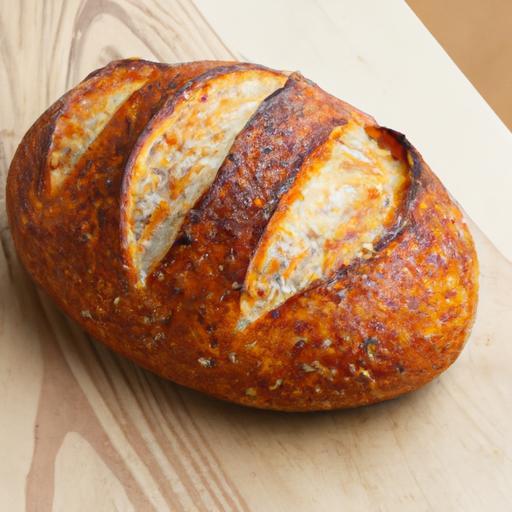
- Score and bake: Using a sharp lame or serrated knife, make a ½ inch deep slash on top. Transfer dough to the hot vessel carefully. Bake covered for 20 minutes,then remove lid and bake an additional 15-20 minutes until crust darkens to golden mahogany.
- Cool fully: Remove bread and cool on a wire rack for at least 1 hour before slicing to preserve crumb structure and flavor intensity.
Tips for Success
- Grain substitutions: substitute up to 25% of the whole wheat with rye or spelt flour for subtle flavor twists and enhanced nutrition.
- Flour freshness: Whole grain flours can go rancid quickly-always use fresh flour and store it in an airtight container in the fridge or freezer.
- timing flexibility: If pressed for time, a cooler, slower overnight first rise in the refrigerator develops flavor too; just remember to bring dough back to room temp before shaping.
- Mastering dough texture: Your dough should be slightly tacky but manageable; adjust water or flour in small increments to avoid dryness or stickiness.
- Steam is your friend: Use a spray bottle to mist your bread 2-3 times within the first 10 minutes of baking if you don’t have a water pan to maintain a crisp, glossy crust.
Serving Suggestions
This hearty whole grain loaf is a canvas for both sweet and savory pairings. Toast thick slices and spread with whipped butter and local honey for a morning treat.For lunch, pair with avocado smash, ripe heirloom tomatoes, and a sprinkle of flaky sea salt. Aged cheeses and a drizzle of walnut oil bring out the earthiness beautifully for evening enjoyment.Garnish with fresh herbs like rosemary or thyme to add aromatic flair when serving at the table.
| Nutrient | Per Slice (1/8 Loaf) |
|---|---|
| Calories | 150 kcal |
| Protein | 5 g |
| Carbohydrates | 28 g |
| Fat | 2 g |
Expand your baking horizons with this ultimate guide to whole grain bread-unlocking better texture, richer flavors, and wholesome nutrition with every loaf. For more artisan baking techniques, explore our Artisan Bread shaping Tips and learn how to transform basic dough into bakery-worthy masterpieces. For detailed scientific insights on whole grain benefits, visit The whole Grains Council.

Q&A
Q&A: Bake Better Bread – Your Ultimate Whole Grain Recipe Guide
Q1: Why choose whole grain bread over white bread?
A1: Whole grain bread is like a nutritional powerhouse packed into every slice.Unlike white bread, which loses much of it’s fiber and nutrients during refining, whole grain bread retains the bran, germ, and endosperm. This means you get more fiber, vitamins, minerals, and antioxidants-fuel for your body and a happier gut!
Q2: What are the best whole grains to use for baking bread?
A2: Whole wheat is the classic choice, rich in flavor and structure.But don’t stop there! Try spelt for a nutty twist,rye for a dense,hearty crumb,or even ancient grains like kamut and einkorn for unique textures and taste.Mixing grains can add depth and complexity to your loaf.Q3: How do whole grains affect the bread-making process?
A3: Whole grains bring more fiber and bran, which can make dough denser and slower to rise. The bran can “cut” gluten strands, making the bread less fluffy if not handled properly. To combat this, techniques like autolyse (resting the dough before kneading) and longer fermentation times help develop gluten strength and flavor.
Q4: Can I substitute whole grain flour for white flour in any bread recipe?
A4: You can, but with some caveats! Replacing all the white flour with whole grain will affect texture and rise, often resulting in a denser loaf. A great starting point is to replace 50-70% with whole grain flour and adjust water content as whole grains absorb more moisture. Experiment and tweak as you go!
Q5: What tips will help me bake better whole grain bread at home?
A5: Keep these golden rules in mind:
- Hydrate generously-whole grains soak up more water.
- Be patient with fermentation-the extra nutrients and bran slow things down but deepen the flavor.
- Use a warm, moist surroundings for proofing to encourage rise.
- Consider adding vital wheat gluten to improve elasticity.
- Don’t rush kneading; develop that gluten for structure and chew.
Q6: How can I add flavor and texture to whole grain bread?
A6: Experiment with seeds like flax, sunflower, and pumpkin for crunch and nutrition. Stir in nuts, dried fruits, or fresh herbs to add bursts of flavor.A splash of honey or molasses enhances natural sweetness and boosts crust color. Toast grains before adding for a toasty aroma!
Q7: Are whole grain breads healthier for everyone?
A7: For most people, yes! Whole grain breads provide fiber that supports digestion and can help regulate blood sugar. however, those with gluten sensitivities or certain digestive conditions might need to choose specific grains or gluten-free alternatives.Always listen to your body.
Q8: What’s the best way to store whole grain bread?
A8: Because whole grain breads don’t have preservatives, they can stale quicker. Store your loaf in a breathable cloth bag or paper to maintain crust crispness. For longer storage, slice and freeze portions-then toast or warm slices when ready to enjoy.
Q9: Can I make whole grain bread without a bread machine?
A9: Absolutely! Customary hand-kneading and proofing work wonderfully. The rhythm of kneading whole grain dough by hand can be oddly therapeutic. Plus, baking on a stone or in a Dutch oven at home helps create artisan-quality loaves with crusty exteriors and soft interiors.
Q10: Where should beginners start with whole grain baking?
A10: Start simple! Try a 100% whole wheat sandwich loaf or a rustic spelt boule. Focus on mastering hydration and kneading. Once agreeable, play with grain blends, add-ins, and different shaping techniques. Remember, every loaf is a delicious learning adventure!
Bake better bread by embracing the richness and complexity of whole grains. With patience, creativity, and a sprinkle of love, your kitchen will soon be filled with the irresistible aroma of wholesome, hearty homemade bread!
the Way Forward
With these whole grain baking techniques and recipes in your kitchen arsenal, you’re well on your way to turning simple ingredients into unusual loaves that nourish both body and soul. Embracing the rich textures and wholesome flavors of whole grains doesn’t just elevate your bread-it transforms your daily rituals into moments of mindful joy. So next time you warm your hands around a freshly baked slice, remember: better bread is more than a recipe. It’s an invitation to savor the art of baking, one hearty crumb at a time.Happy baking, and here’s to your best loaf yet!